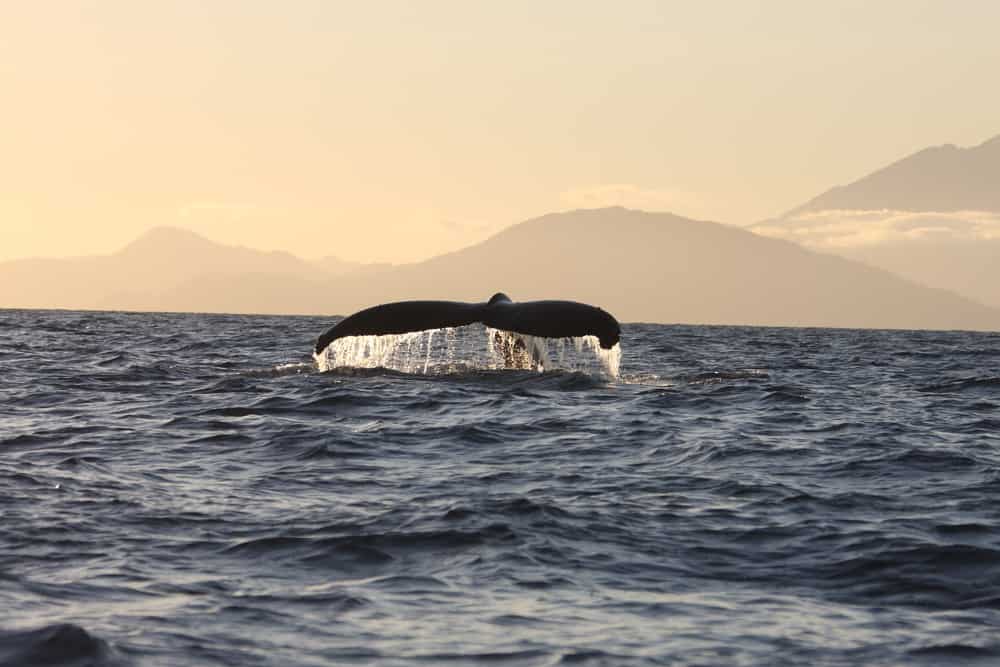
Seeing a majestic whale beach can make you gasp. These enormous creatures glide gracefully through the water as they migrate from north to south and back again. Whales migrate from the summer waters of Alaskan to the warm waters off the coast of California and Mexico. Each area supports part of their lifecycle and the migration offers the best time to see whales. Here is the best place for whale watching in winter.
Best Place for Whale Watching in Winter
Channel Islands
Long Beach
Maui
Monterrey Bay
San Diego
Santa Barbara
Cabo San Lucas, Mexico
Loreto, Mexico
Mazatlan, Mexico
Whale Watching in the Pacific Ocean
The World Cetacean Alliance designated two whale heritage areas in the U.S. These areas celebrate, respect and protect whales and their habitats. Visitors will find aquariums on land and guided tours offshore.
National Marine Sanctuaries also preserve the areas that whales need to thrive. Some even offer onland visitors centers with interpretive areas.
Best Time for Whale Watching in California
The whale migration in the Pacific Ocean is well documented. With guided off-shore tours and places to see whales from shore, seeing a whale is easier than ever.
Winter is the time to go whalewatching in California and Mexico. The whales are migrating to warmer waters to breed and give birth. As the waters heat up, they head to their summer feeding grounds.
Best Beaches in Southern California

Whale Species in the Pacific Ocean
As the largest ocean on the planet, the Pacific is home to large populations of whales. There are several types of whales to see.
Blue Whales—The Largest in the Pacific
Gray Whales—Second Largest Species
Humpback Whales
Minke Whales
Finback Whale
Orcas (Killer Whales)
North Pacific Right Whale (endangered)
Channel Islands in California
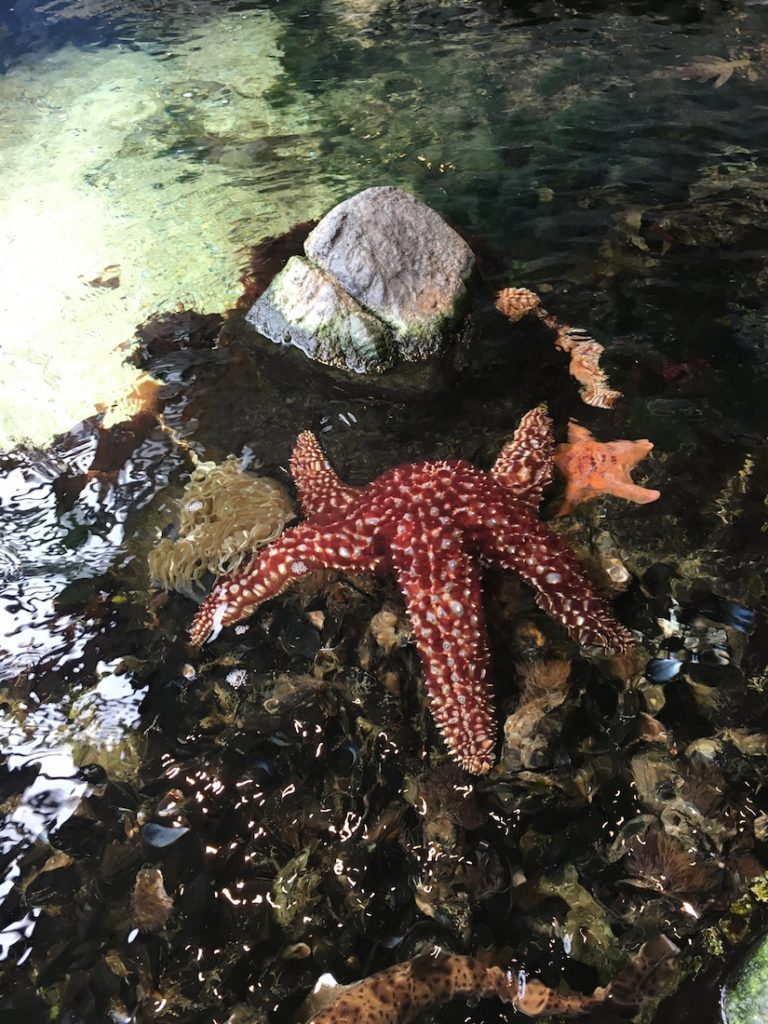
Located off the California mainland, this area includes five distinct islands. It is a U.S. National Park and National Marine Sanctuary.
The islands provide refuge for land-based plants and animals, as well as marine life and seabirds. Visitors can see blue whales, gray whales, Orca (Killer Whales) and Finback Whales.
Guided boat trips depart from the Channel Islands Harbor in Oxnard. The season runs from late December to April; however, the Channel Islands are open year-round.
Top National Parks in Southern California

Long Beach in California
Located south of Los Angeles, Long Beach is home to the Aquarium of the Pacific. It offers over 10,000 animals from 500 different species.
Long Beach Harbor also offers whale watching tours. Tourgoers can see Blue Whales, Orcas, Fin Whales and Minke Whales during their excursions.
Top Things to Do in Long Beach
Maui in Hawaii
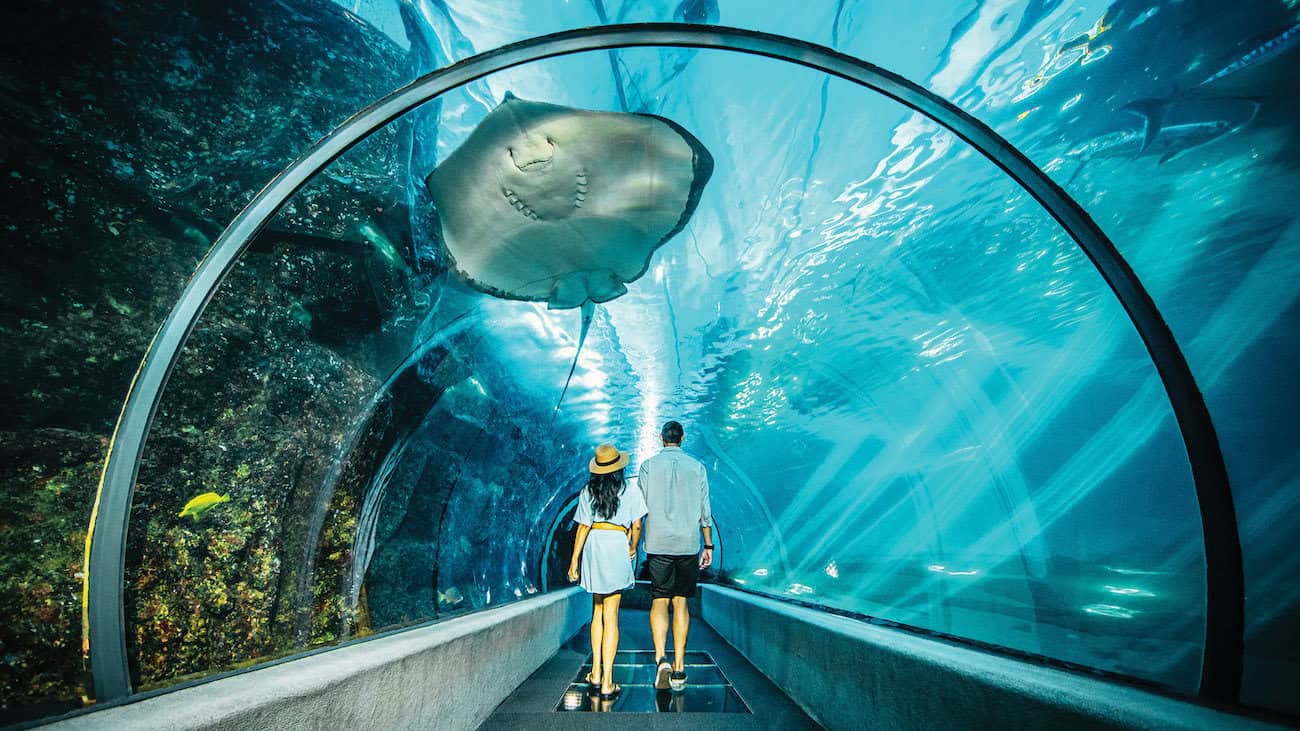
The warm waters around Maui are favorites with humpback whales. To learn more about Hawaii’s marinelife, visit the Maui Ocean Center. This 3-acre facility is the largest living tropical reef aquarium in the Western Hemisphere, with a 750,000-gallon Open Ocean exhibit that houses hundreds of fish, including sharks.
Arrange a tour with a certified marine naturalist for fun and informative interpretation of humpback whale behaviors and characteristics. PacWhale EcoAdventures offers tours.
Top Things to Do in Maui
Monterey Bay in California
Located in Northern California, Monterey Bay is a National Marine Sanctuary. Starting in Santa Cruz and continuing to Monterey, this natural bay is home to kelp forests and a diverse mix of marine life, including whales.
Monterey Bay whale watching tours depart from several piers in the city of Monterey. Book a tour with a naturalist for the best experience.
San Diego in California
San Diego is one of the top places to go whale watching. It features Blue Whales (Summer/Fall) and Gray Whales (Winter/Spring) primarily; however, Humpbacks, Minkes, and Fin Whales are found year-round.
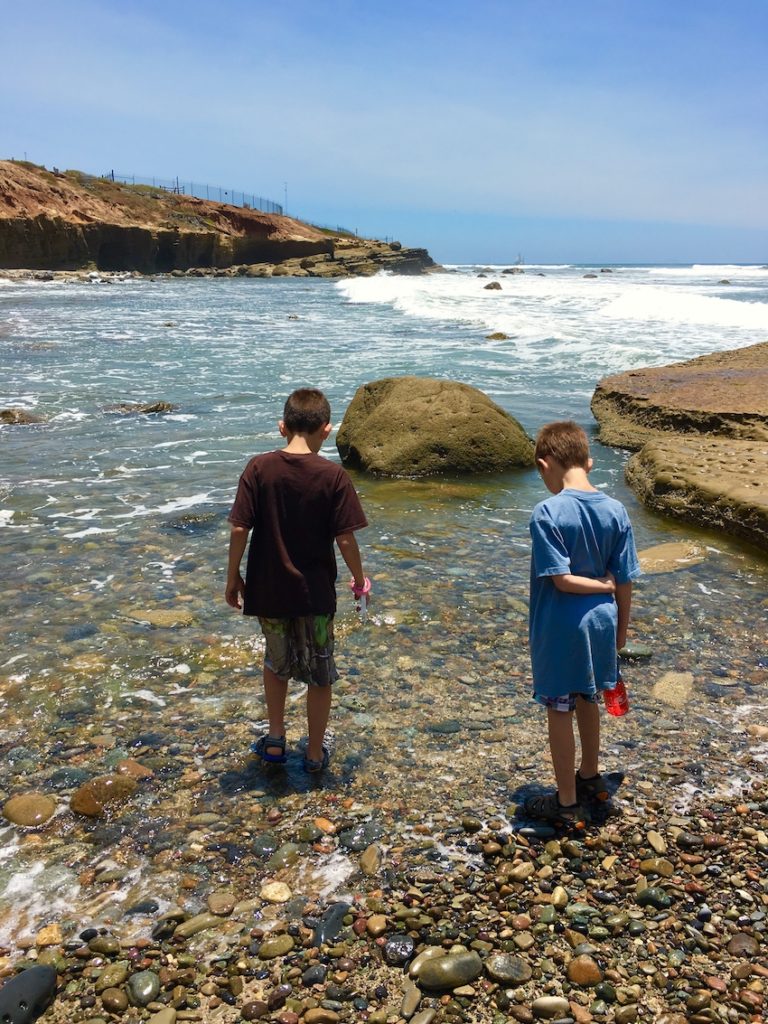
For an onshore viewing area, Dana Point is one of the best places. Also, Cabrillo National Monument is a good place, and it even offers tidepools.
San Diego offers several different types of Whale-Watching tours. Be sure and book a whale watching tour and not a harbor tour.

Santa Barbara
This coastal gem is also homebase for whale-watching excursions to the Santa Barbara trench. It is an official Whale Heritage Area.
From late Fall through early Spring, the Gray Whales migrate through the area. The Santa Barbara Whale summer season brings Humpback Whales, Blue Whales, Minke Whales and Fin Whales.
For the best experience, book a whale-watching excursion departing from Santa Barbara Harbor.
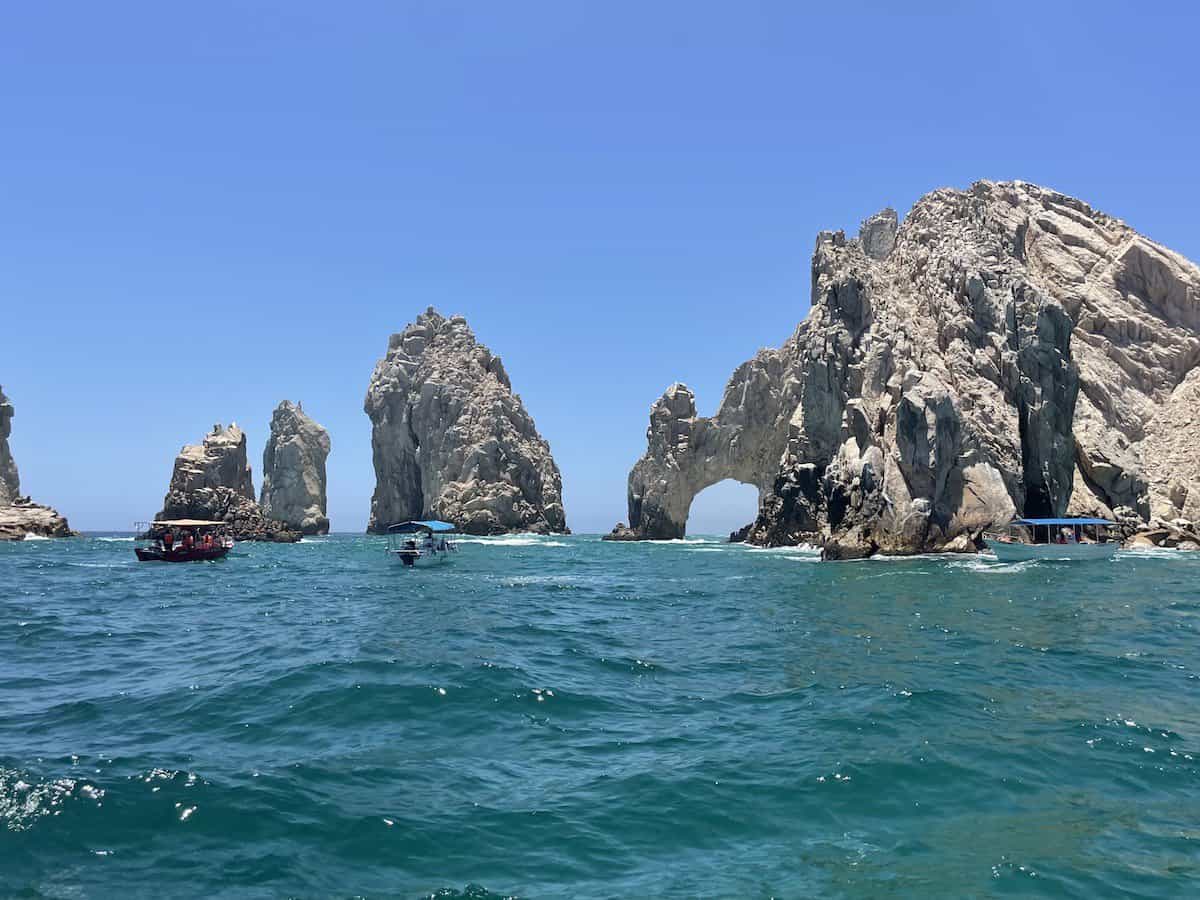
Cabo San Lucas, Mexico
At the tip of Baja California, Cabo San Lucas features Humpback and Gray Whales during the Fall and Spring migration. The Baja Peninsula acts as a migratory route, where whales travel up and down the coastline.
As giants of the Pacific, the Blue Whales migrate between Baja and Alaska. They spend the winter in the warm waters of Baja, where they mate and give birth.
Cabo is also at the entrance of the Sea of Cortez with calmer water. These areas are favorable for mating.
Loreto, Mexico
A Pueblo Magico on the Sea of Cortez, Loreto is a charming town that’s a favorite for outdoor enthusiasts. In February and March, it is possible to see Blue Whales breaching the surface from the beach in Loreto.
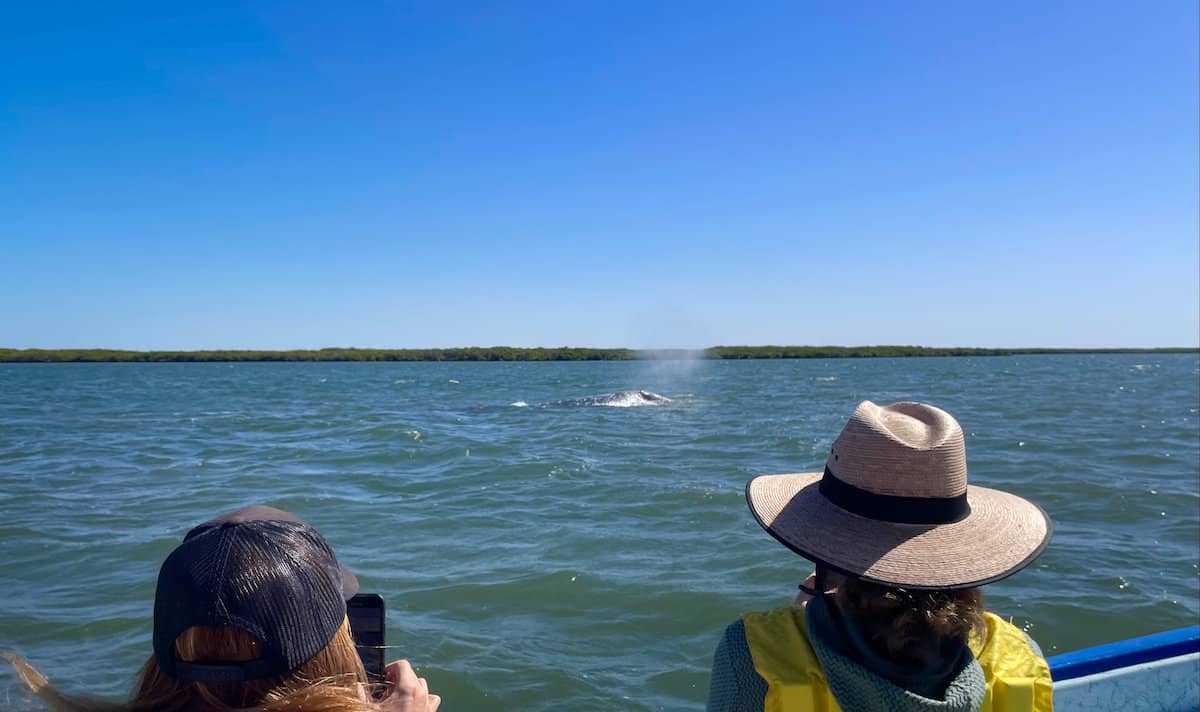
To really see the whales up close, cross the peninsula to the Pacific side of Baja California Sur to Adolfo López Mateo. With its protected location and shallow water, the gray whales arrive in Baja in late December and early January. Starting in January, gray whale mothers and their babies can be seen swimming through the waters.
Tours are on a panga boat and motor out into the coastal lagoon of Magdalena Bay. The water is shallower than the more open bay and harbors fewer predators, the orcas.
Since baby whales have smaller lungs, they surface more frequently than full-grown adults. During our excursion, we watched two separate mother-baby pairs as our boat captain maneuvered the boat.
It was impossible not to see the whales breach. They even breached so close to our boats that it felt like we would touch them. Then, they went under our boat.
Top Things to Do in Loreto

Mazatlan, Mexico
Mazatlan, or the Pearl of the Pacific, is another popular spot for whale watching in the Mainland of Mexico. It is home to MUNBA, Museo Nacional de la Ballena, or the National Whale Museum.
From majestic whales to friendly dolphins, this facility features 29 whale skeletons, such as gray whales, blue whales and a sperm whale. MUNBA also offers seasonal whale tours with marine biologists in zodiac boats.
I did this excursion and went three miles out. The marine biologist used a hydrophone to listen for whales. During the season, about 9,000 whales live in the Mexican Pacific, according to the latest estimate.
Disclosure: This article contains affiliate links.

Comments are closed.