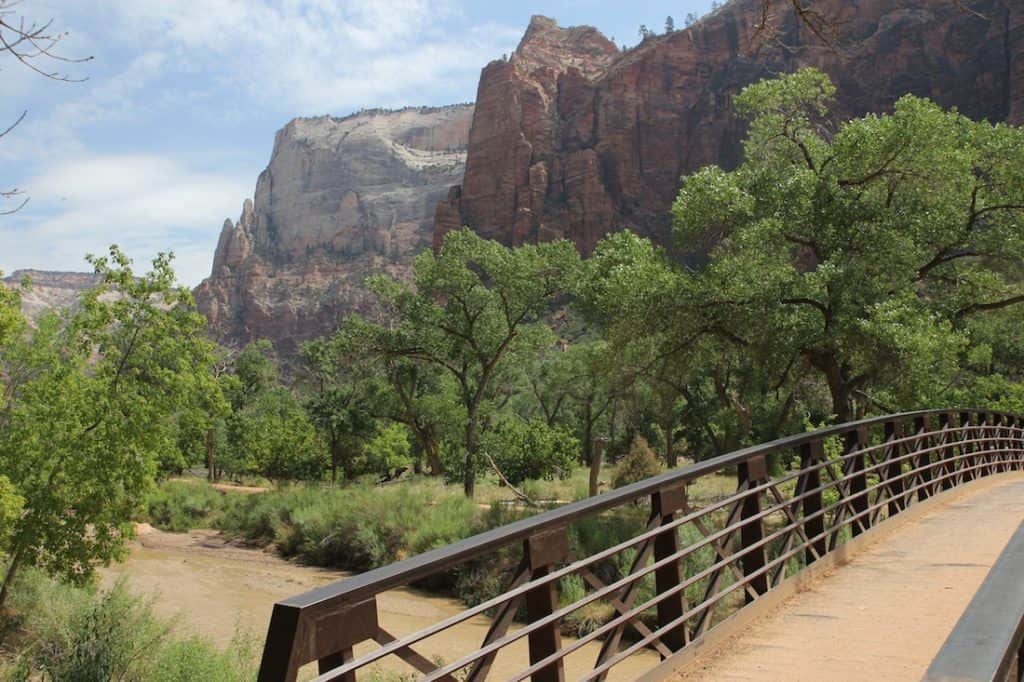
Located in Southern Utah, Zion National Park attracts millions of visitors a year. It is considered one of the top 10 National Parks. Zion offers hiking, scenic drives and horseback rides. Visitors come for the spectacular sandstone mountain scenery in rich shades of red and gray. With a convenient shuttle service, visitors can see Zion Canyon and hop off at popular hiking trails. Here are the top things to do in Zion National Park.
Top 17 Things to Do in Zion National Park
Learn about Zion National Park
Stop by a Visitor Center
Visit the Zion Human History Museum
Drive Down Zion-Mount Carmel Highway
Travel Through the Zion-Mount Carmel Tunnel
Hop the Zion Canyon Shuttle
Hike in Zion Canyon
Attend a Ranger Program
Sit on the grass in front of Zion Lodge
Grab a Snack
See the Virgin River
Go Horseback Riding
See the Sunset
Spot Wildlife
Enjoy the Wildflowers
Earn a Junior or Bark Ranger Badge
Spend the Night in Zion
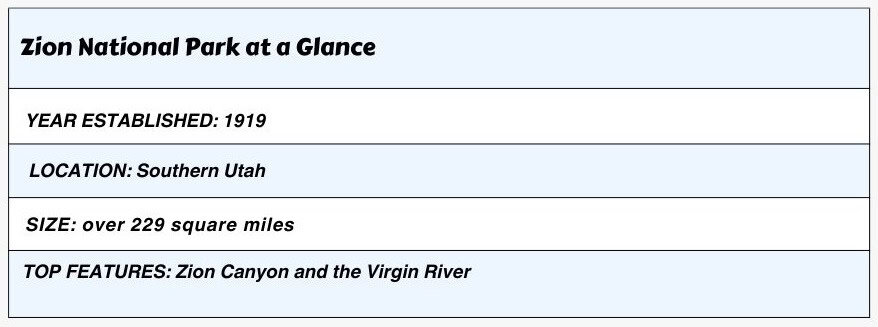 Why Visit Zion National Park
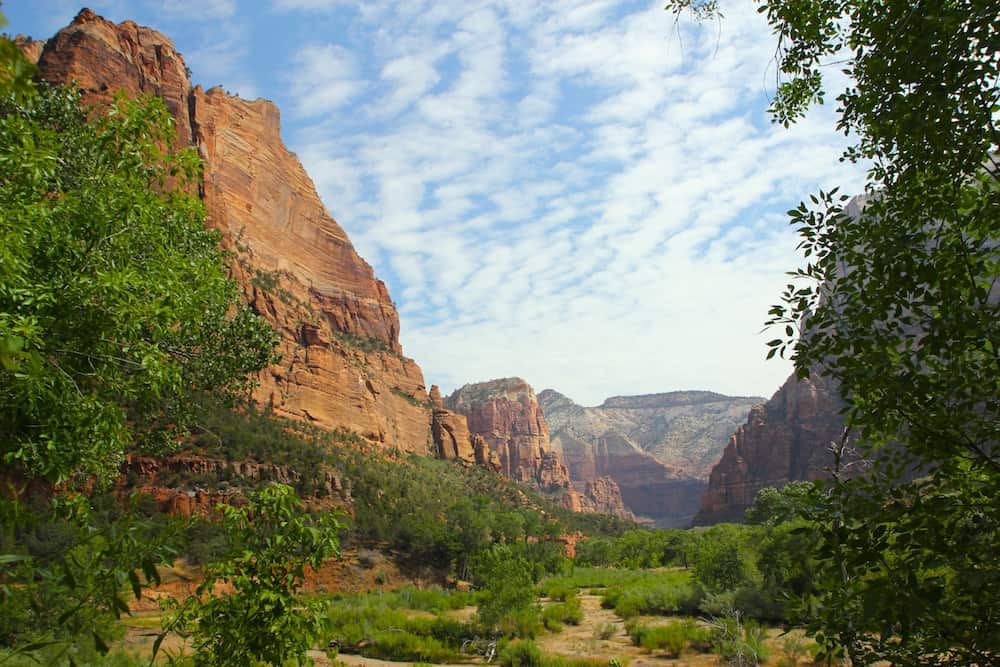
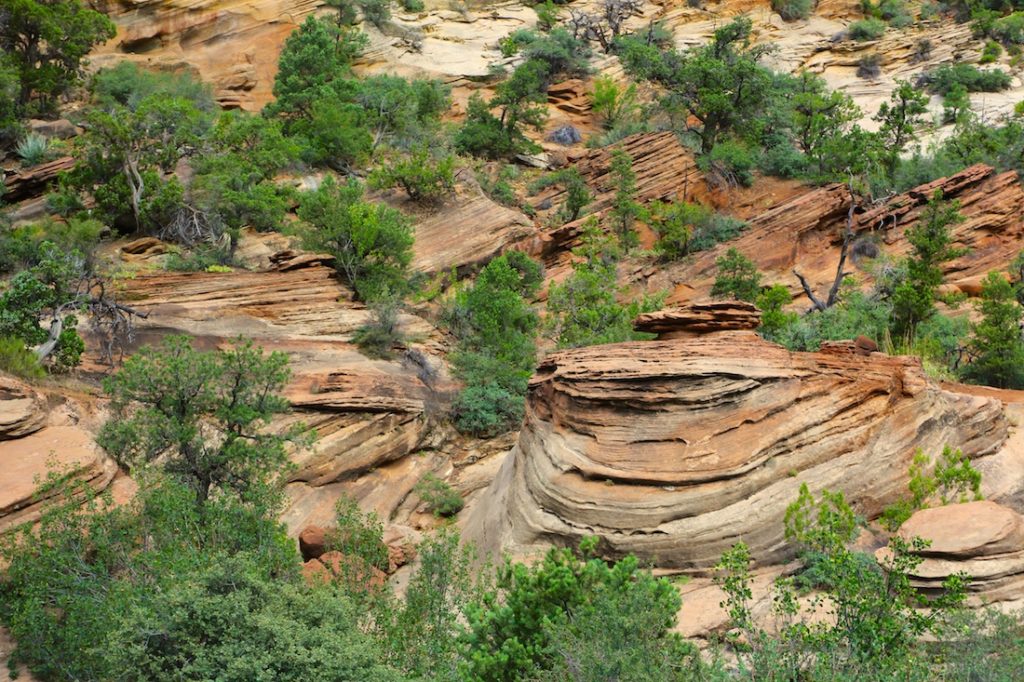
Many people, including myself, love this park. I have visited several times, and its beauty is still mesmerizing. The Navajo Sandstone dominated my senses with its rusty-red smooth rock faces dotted with groves of trees.
Though as tall and sturdy as the mountains are, the life-giving Virgin River carved Zion’s bold rock formations. During the summer, rainstorms can cause periodic flooding that scours the Zion Canyon floor, uprooting trees. It happened on one of my trips, flooding a nearby town.
Zion National Park is part of the Grand Staircase, a geologic survey that displays 500 million years of history in the rock layers. The Grand Canyon represents the bottom layer, Zion is sandwiched in the middle, and Bryce Canyon National Park represents the most recent layer.
Utah National Park Road Trip Itinerary from Las Vegas
Visitor Centers in Zion National Park
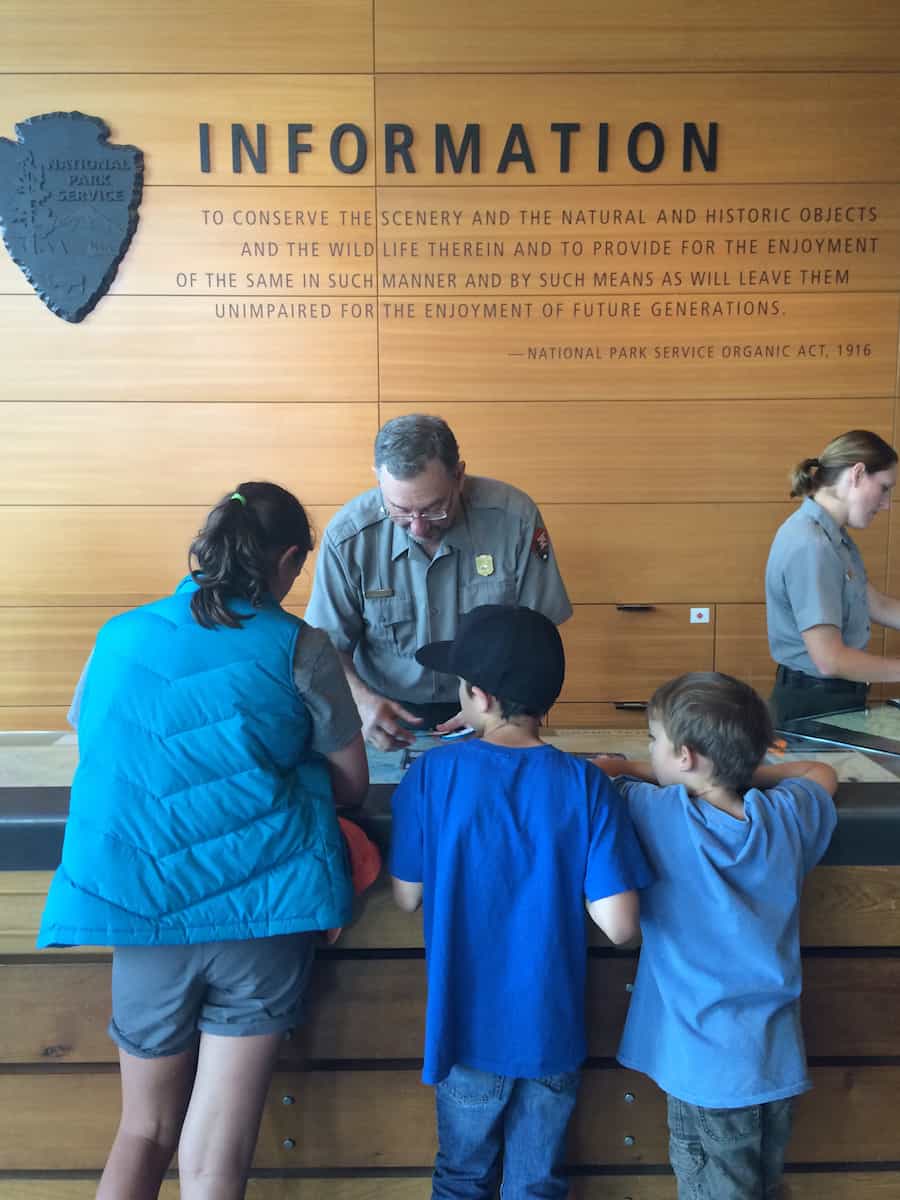
First stop, a visitor center offers interpretive information along with maps and ranger services.
Zion Canyon Visitors Center
The main visitor center in Zion has rangers, maps, and information about permits. It is also the departure point for the Zion Canyon Shuttle.
Open daily 8 a.m. to 5 p.m. (7 p.m. in summer and 5 p.m. in winter). Located at 1 Zion Park Rd.
Kolob Visitors Center
Located about an hour from Zion Canyon in the northwest corner of the park. Open daily from 8 a.m. to 5 p.m. and closed midday for a one-hour lunch.
Zion Nature Center
Seasonal facility with programming for Junior Rangers.
Located close to the South Entrance, next to the South Campground. Open from late May until the end of summer.
Zion Human History Museum
This facility offers displays of the park’s artifacts, geology, and water power. From the back porch, visitors can see the Watchmen and West Temple rock formations.
Open daily from 10 a.m. to 5 p.m. in spring, 9 a.m. to 7 p.m. in summer, and 10 a.m. to 5 p.m. in fall.
Bryce Canyon National Park Guide

Scenic Drives in Zion Canyon
One of the top things to do in Zion National Park with kids is to see the scenery. The easiest way is a scenic drive.
Zion-Mount Carmel Highway
As the main road in Zion National Park, the Zion Mount Carmel Highway (Route 9) travels from the South Entrance to the East Entrance. Along the route, visitors can see popular sites like Checkerboard Mesa and Canyon Overlook Viewpoint.
The Zion-Mount Carmel Tunnel, built in the 1920s, travels 1.1 miles through rock formations. Size restrictions apply, and vehicles over 11’4″ tall and 7’10” wide require a $15 oversize vehicle permit.
Zion Canyon Shuttle
The scenic drive through Zion Canyon is closed to private traffic from the beginning of March until after New Year’s. Visitors can hop on a Zion Canyon Shuttle and see popular sites like the Zion Lodge, The Grotto, and The Temple of Sinawava.
Zion Canyon Shuttle runs from the Zion Visitor Center (stop 1) to The Temple of Sinawava (stop 9) from early March until after New Years. The shuttle starts at 7 a.m. daily and runs until 7:15 p.m. (8:15 p.m. in summer).
It is free to use and doesn’t require a reservation. However, remain mindful of the shuttle schedule.
Planning Guide to the Grand Canyon’s South Rim

Hiking in Zion National Park
The main activity in Zion National Park is hiking. Shuttle service to several trailheads makes it easy to hike in Zion.
Easiest Trails
Pa’rus Trail—An accessible 3.5-mile (5.6 km) paved trail from the Visitor Center to Canyon Junction along the Virgin River.
Riverside Walk—A partially accessible 2.2-mile (3.5 km) walk along the Virgin River.
The Grotto Trail—A 1.0-mile (1.6 km) trail from the Zion Lodge to the Grotto
Weeping Rock Trail–A 0.4 mi (.6-km) roundtrip trail from #7 Weeping Rock Shuttle Stop
Moderate Trails
Lower Emerald Pool Trail—A 2.2-mile (1.9 km) with 150 ft. (46 m) elevation change trail from across the Grotto via the Kayenta Trail to the Lower Emerald Pools
Middle Emerald Pool Trail—A 2.2-mile (1.9 km) with a 150-foot (46 m) elevation change roundtrip trail from across the Grotto via the Kayenta Trail connects to the other Emerald Pool Trails.
Upper Emerald Pool Trail—A 3.0-mile (4.8 km) with a 200-foot ( 61 m) elevation change roundtrip trail from across the Grotto via the Kayenta Trail to the Upper Pools.
Kayenta Trail–A 2.0-mile (3.2 km) with a 150-foot (46 m) elevation change roundtrip trail from across the #6 The Grotto Shuttle Stop and across the footbridge that connects the Grotto to the Emerald Pools Trails.
Canyon Overlook—A 1.0-mile (1.6 km) with a 163-foot (50 m) elevation change roundtrip trail that overlooks the Zion Canyon from the parking area just east of the tunnel. No shuttle service.
Note: The Narrows and the Angels Landing are both all-day strenuous hikes not for families with younger or fearful children. Angels Landing requires a special permit.
Hiking Lotteries
Some trails in Zion National Park require a hiking permit, awarded by lottery.
Angels Landing is a 5.4-mile (8.7 km) hike with a 1,488-foot (453 m) elevation gain. For more information about a permit for Angels Landing, visit its webpage.
Ranger Programs in Zion
Park Rangers offer free educational programming. The Visitors Center offers the Ranger Program schedule. Some popular ranger-led hikes might require in-person reservations.
Ranger Walks
Junior Ranger Activities
Evening Programs
Biking in Zion
When Zion Canyon Road closes to private vehicles for the season (Spring through Fall), bicycles are permitted on all roads except for the Zion-Mount Carmel Tunnel. Trails are off-limits for bicycles except for the Pa’rus Trail.
Rental bikes are located close to the main entrance of Zion National Park. Riders must travel in groups of six or fewer in a single file.
Visit The Zion Lodge
The Zion Lodge is the only place inside Zion National Park that offers lodging and dining. This Zion Canyon area offers several popular trailheads as well.
Emerald Pools features waterfalls even in the heat of the summer. With a couple of trails, hikers take the bridge over the Virgin River. I have done this trail, and it was a nice shady hike.
After a hike, hikers can take a break and sit in the shade of the cottonwoods on the Zion Lodge’s lawn. The Zion Lodge offers two restaurants (one seasonal) for meals.
The Castle Dome Cafe offers outdoor seating with coffee drinks, baked goods, hamburgers and hotdogs. Afternoon, you can get a local craft beer. Open seasonally from 7:30 a.m. 4 p.m.
The Red Rock Grill is inside the Zion Lodge and serves breakfast, lunch and dinner. Reservations are accepted for dinner.
See The Virgin River
The Virgin River carved Zion Canyon. Visitors can see the river at several spots in the park, one of the most popular is at the Temple of Sinawava and the Riverside Walk. It is the first section of the longer, more strenuous Virgin River Narrows Bottoms Up Hike.
The Virgin River is calm the majority of the time. However, it can flash flood at any time, especially after monsoon rains upriver.
Horseback Riding in Zion
Guided Horseback rides are available inside Zion National Park with an authorized concessionaire. Riders can choose between a guided one-hour or three-hour trip.
Rides are for those 7+ for the one-hour ride, 10+ for the three-hour ride and everyone must be under 220 pounds. Available from March to October, and reservations are required. Prices from $60 per person.
Sunsets and Night Skies in Zion
Sunsets set the rock formations ablaze when its red sandstone glows in the late afternoon light. For the best locations for sunset, consider walking along the paved Pa’rus Trail or the Zion Human History Museum.
For those camping in Zion National Park, check in at the Visitor Center for evening Ranger programming at the campground.
Top Things to Do in Flagstaff Arizona
Wildlife in Zion National Park
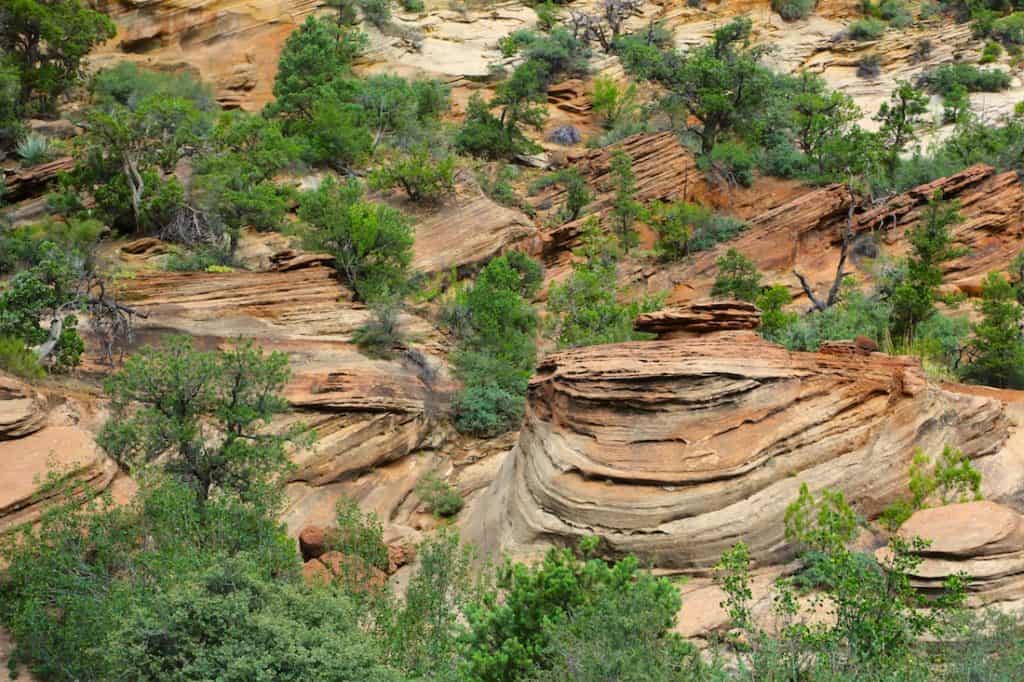
Visitors will find a rich ecosystem in Zion. Elk roam, and mountain lions stalk. Peregrine falcons and Stellar’s jays are also found above. Bighorn sheep perch along rock ledges. Remember to keep 25 feet away from all animals.
Elk
Bighorn sheep
Mountain lion
Mule deer
Gray Fox
Coyote
Rock squirrel
Ringtail
Bobcat
Porcupine
Petite kangaroo rat
Wildflowers in Zion National Park
One of the surprises of Zion National Park is the abundance of plants. In the spring, the wildflowers pop up first on the canyon floor and move up the canyon as the temperatures warm. During the summer, visit the hanging gardens at The Grotto.
Zion features forests of pinyon pine, ponderosa pine, cottonwood, and juniper trees. In the fall, Zion National Park’s aspen trees start to glow in shades of yellow.
What to do with Kids or Pets in Zion
The Junior Ranger Program is the go-to program for families to learn more about Zion National Park. It’s free and takes about two hours to complete. My kids love the patches that the Rangers present them after completing their booklets.
For kids who yearn for more, Zion National Park offers a seasonal resource for families. Zion Nature Center offers families a chance to play games, look at exhibits, and read books. Families can also find ranger-led activities and tours.
Located north of the South Campground, minutes from the Zion Canyon Visitor Center. Open Memorial Day to Labor Day.
Zion National Park offers the Junior Paleontologist Program as well.
Fun Activities for Kids
For families with strollers, try the Riverside Walk at the Temple of Sinawava shuttle stop. Find an accessible 2.2-mile round-trip trail from the Virgin River to the Narrows.
To explore Zion National Park at a slower pace, try a guided scenic tour aboard a bus to see all the photo-worthy sights and maybe some of Zion’s mountain goats, too. Afternoon tours depart from Zion Lodge three times a week.
For adventurous families, Zion National Park offers guided horseback rides. With a one-hour and three-hour tour to choose from, families ride in the shadow of the peaks.
BARK program
Zion National Park welcomes pets as long as they practice the principles of the BARK program.
B–Bag waste and dispose of it in the trash
A–Always leash your dog for their safety and others
R–Respect wildlife
K–Know where you can go
Dogs can hike along the Pa’rus Trail, though prohibited from other trails. Dog families will find water near the visitor centers. For more information, visit its website.
Where to Eat in Zion
Red Rock Grill
Located inside Zion Lodge, it serves a breakfast buffet and lunch with southwestern and American favorites, along with a kids’ menu for each meal. Dinner requires reservations and features a menu that showcases ingredients from Utah and northern Arizona, along with a wine, beer and cocktail menu.
Open year-round from 6:30 a.m. to 9 p.m. and features a seasonal patio. Reservations are recommended for dinner.
Castle Dome Cafe
Seasonal snack bar with outdoor seating, serving traditional cafe items, like coffee drinks, along with pastries, along with burgers and sandwiches. Find a beer cart in the area as well.
Open daily from March until November for breakfast and lunch from 7:30 a.m. to 6 p.m.
Picnicking in Zion
Find picnic tables at several locations in the Zion Canyon area.
South Campground, near the Visitor Center
Zion Nature Center
The Grotto
Where to Stay in Zion National Park
The Zion Lodge
With traditional lodge rooms and suites along with cabins, Zion Lodge offers a host of options inside the park, including an on-site restaurant and seasonal snack bar.
The lodge rooms feature two queen beds along with a private porch or balcony. Guests will also find televisions in the rooms, a rare treat for National Park lodges.
The suites boast two rooms: a sitting room with a wet bar equipped with a microwave, mini-refrigerator and balcony. The other room features a king-sized bed. Reservations are a must.
Zion Lodge Cabins
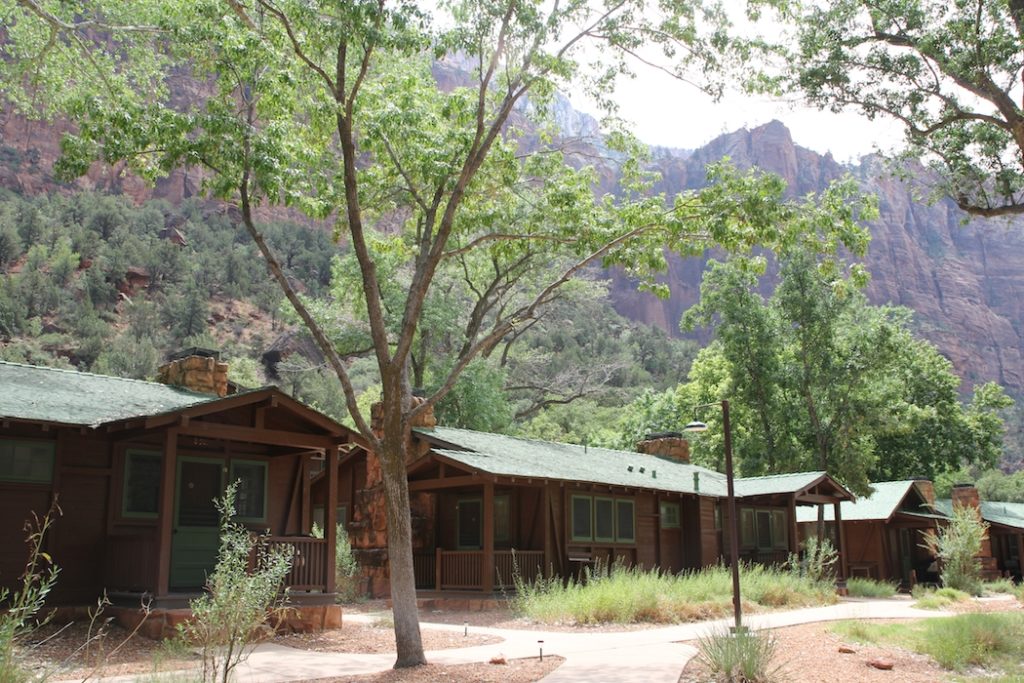
With 40 cabins in the area, the Zion Lodge offers 28 cabins with two double beds and 12 with one queen bed. Each cabin features a working fireplace, a private porch, a private bathroom, a mini-refrigerator and a microwave, perfect for picnic lunch supplies. Reservations are a must.
The Zion Lodge is open year-round.
Camping in Zion
Find three campgrounds in Zion National Park, two are located in Zion Canyon, the most popular part of the park. The Lava Point Campground is one hour away from Kolob Terrace Road.
Watchman Campground
Open year-round
Reservations required
176 sites, 69 tent-only.
Some sites offer electricity. No full RV hookups
Potable water with flush toilets, no showers
RV dump station
Lava Point Campground (in Kolob Canyon)
Seasonal from May until September
First come, first served
6 primitive sites
No water with pit toilets
South Campground (closed for renovation)
Seasonal from mid-March until the end of October
Reservations Needed
117 sites, no RVs hookups
Potable water with flush toilets, no showers
RV dump station
Grand Canyon’s South Rim Planning Guide
History of Zion National Park
Over 180 million years ago, a windswept desert slowly compressed into the Navajo Sandstone. Rising 2000 feet today, water sculpted the canyon with the eye of an artist, with frequent flooding of the Virgin River.
Archaeologists found evidence of human existence, and the Ancestral Puebloans cultivated corn and squash in the area. The Southern Paiute roamed the area after the Puebloans moved on.
The Mormons settled in Utah during the 1850s, and Isaac Behunin named the area Zion, or Kingdom of Heaven. Frederick Fisher, a Methodist minister, named the Three Patriarchs, the Great White Throne, Angels Landing, and the Organ rock features, and continued with the religious theme.
Zion National Park earned its national park status in 1919.
The People of Zion
The Ancestral Puebloans and Southern Paiute People
Since 6,000 BCE, people have hunted in the area that would become Zion National Park. As the first humans to leave permanent evidence, like pottery and baskets, the Ancestral Puebloans cultivated crops in the area of Zion National Park in addition to hunting. Though drought in the desert required them to move on.
The Southern Paiute arrived in 1,300 CE. They used the land in a more nomadic way, hunting and collecting fruits and nuts instead of cultivating.
The Mormons
John Wesley Powell explored Zion Canyon in 1872 for the U.S. Geological Survey. However, fur trappers explored the area for much of the 1800s.
The Mormons flocked to Utah in the 1860s as pioneers and settlers. They changed the landscape of Utah by cultivating the land and building log cabins. However, settlement was difficult due to periods of drought followed by floods.
The Civilian Conservation Corps
As a part of President Roosevelt’s Works Progress Program, the Civilian Conservation Corps worked on conservation projects across the U.S. A group of young men arrived in 1933 and stayed until 1942, when the program was terminated.
During their tenure, the men of the CCC built and maintained the trails in Zion National Park, built buildings, along with campgrounds. Mainly of the stone buildings are still in use, like the amphitheater the CCC built.
Palo Duro State Park and the CCC
Weather in Zion National Park
Winter: Highs—50sF (teens C) Lows—30sF (1 to 3C)
Spring: Highs—60sF (15 to 12C) Lows—50sF (4C to 10)
Summer: Highs—100F ( 30sC) Lows—60sF (15 to 20C)
Fall—Highs 60sF (15 to 19C) Lows—40sF (4 to 9C)
Rainfall is consistent year-round with 1 to 2 inches (40 to 50mm) monthly.
National Parks Located Nearby
Zion National Park is part of the Grand Staircase. It’s located 85 miles from Bryce Canyon National Park. The North Rim of the Grand Canyon is 122 miles away.
Many visitors continue to see the rest of the Mighty Five, Utah’s national parks. Each park offers a unique landscape to explore. Utah’s Route 9 is the Zion National Park Scenic Byway from the Interstate 15 turnoff. If continuing to Bryce Canyon National Park, exit through Zion-Mount Carmel Highway for more of this stunning drive.
Gateway Towns to Zion National Park
Springdale, Utah, is located at Zion’s South Entrance, and offers lodging and dining along with outdoor activities and outfitters. It offers paid parking lots near the entrance of Zion National Park along with a free shuttle for visitors staying in town.
Zion National Park is located 160 miles from Las Vegas, Nevada, the closest international airport (LAS). Find a dizzying number of hotels, dining and casinos.
Note: Gas is available inside Zion National Park.
Shuttles in Zion National Park
Find two different routes servicing Zion National Park.
Springdale Route—With nine bus stops in the town of Springdale, ride to Zion National Park’s visitor center for free. This route starts in mid-March.
Zion Canyon Scenic Drive—At the visitor center, a free shuttle takes visitors along the Zion Canyon Scenic Drive. Stops include Zion Lodge, The Grotto, Big Bend, and the Temple of Sinawava. A circular route shuttle is available in Zion Canyon that doesn’t stop at the Zion Visitor Center.
Where’s Zion National Park
Zion National Park is located 160 miles from Las Vegas, Nevada, the closest international airport.
Zion National Park is open 365 days a year and 24 hours a day. Use an America the Beautiful annual pass ($80) or purchase a 7-day pass for $35 per private vehicle.
Guide to National Park Passes
Know Before You Go:
Temperatures in the summer can reach 100°F; carry water at all times. I stop and make my kids toast to the mountains so we remember to drink water.
Wear a hat and apply sunscreen.
Monsoon season is late June through September, where flash flooding can occur with little warning.
Consult a Park Ranger before hiking the Narrows Trail to see if flash flooding is predicted.
Cell service is weak within the park.

Comments are closed.