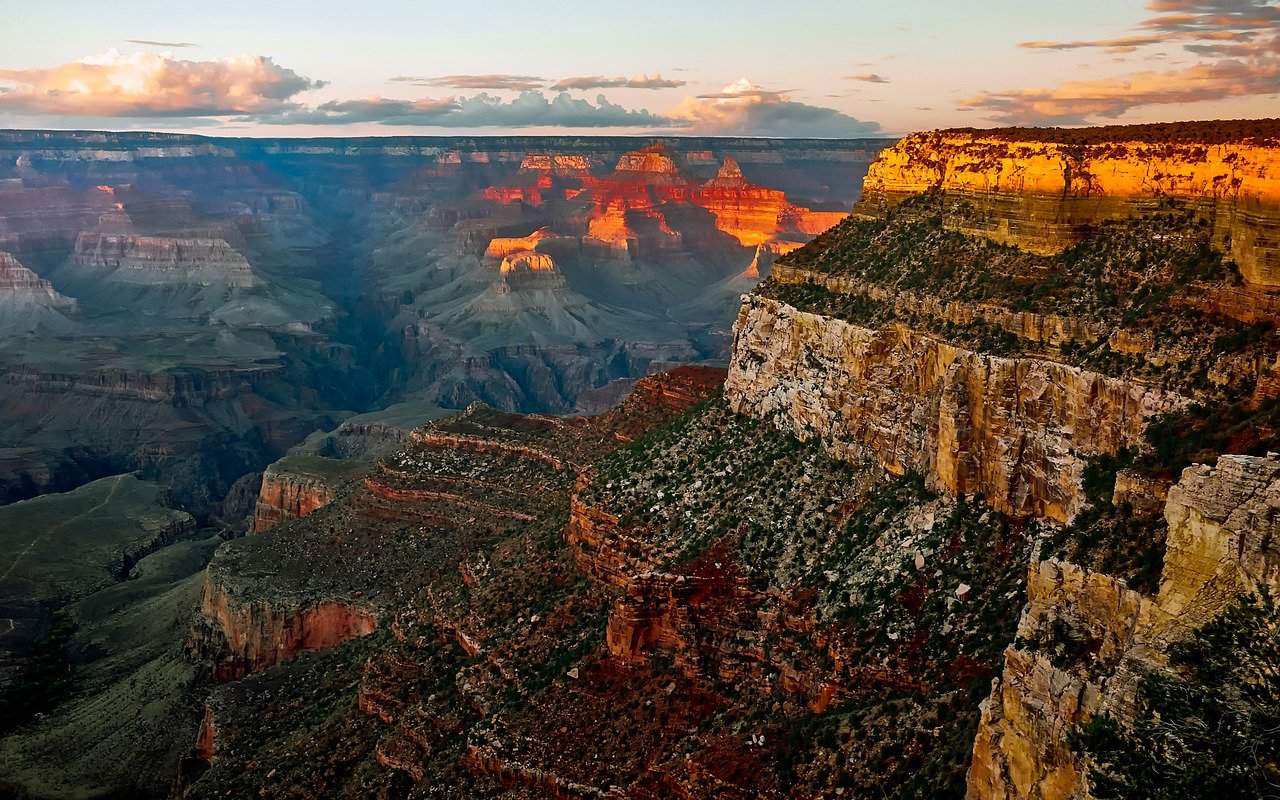
Located in Northern Arizona, Flagstaff is an excellent base for travelers interested in the outdoors. East of Grand Canyon National Park, travelers will find hiking, skiing and even an observatory. Flagstaff is the first official Dark Sky City. National park travelers will find several park sites in the area, making it ideal for national park day-trips. Here are the top things to do in Flagstaff, Arizona.
Should I Visit Flagstaff Arizona?
As the largest town in Northern Arizona, Flagstaff offers the best selection of hotels and restaurants. It is ideal for day trips to the Grand Canyon, and there are also additional National Park sites in the area.
Since Flagstaff is a bit farther away from the Grand Canyon than Tusayan and Williams, travelers can find better rates on lodging. There are also a wide range of camping options, from primitive to Flagstaff campgrounds with full hookups.
The overall vibe of the area is laid back and casual. With its higher elevation, the weather is pleasant in the summer. In the winter, the sunny skies and drier air make it feel warmer than it is.
Top 11 Things to Do in Flagstaff Arizona
Grand Canyon National Park
Grand Canyon Railroad
Lowell Observatory
Arizona Snowbowl Ski Resort
Walnut Canyon National Monument
Sunset Crater Volcano National Monument
Wapatki National Monument
Flagstaff Arboretum
Museum of Northern Arizona
Bearizona Park
Route 66
Grand Canyon National Park
As a top National park in the U.S., the Grand Canyon is a sight that most yearn to see. With visitors from all corners of the globe, the South Rim can feel like Grand Central, though there’s plenty of room to explore. As a year-round destination, it sparkles in the summer, and it glitters in the winter with a fall color season as well. It offers lodging, dining, camping and activities along the South Rim.
For a different point-of-view, head to the seasonal North Rim for a greener and cooler version of the Grand Canyon. Find lodging, hiking, dining and mule rides on this side of the park, open from May until October.
Planning Guide to the Grand Canyon’s South Rim
Grand Canyon Railroad
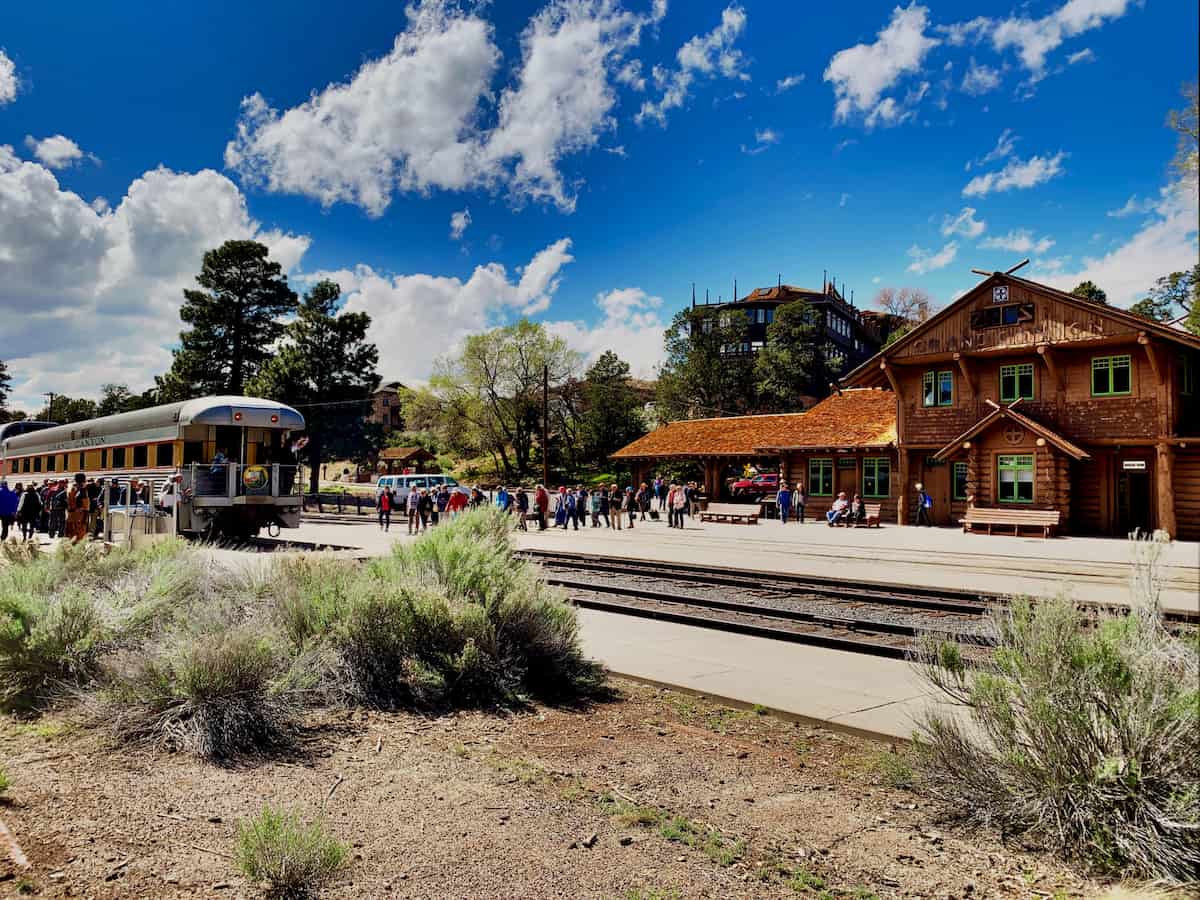
For those who want to make a grand entrance to the Grand Canyon, take the scenic train. Departing from Williams, Arizona, west of Flagstaff, guests can board the train for a day trip or an extended trip at the South Rim.
Most trains depart at 9:45 a.m. and return at 5:45 p.m., with three hours at the Grand Canyon. However, passengers who want to stay longer can book a room on the South Rim.
Located at 280 N. Grand Canyon Blvd. in Williams. Riders must have reservations.
Lowell Observatory
A mathematician opened the observatory in 1894 for solar system exploration. In 1930, the Lowell Observatory discovered Pluto.
The Lowell Observatory is a National Historic Landmark. It’s home to the 24-inch (61-cm) Clark Refracting Telescope and the 13-inch (33-cm) Pluto Discovery Telescope.
Visitors get access to the facility for the entire day and can attend talks and tours, like the Lowell Tour. Another popular activity is stargazing from the Giovale Open Deck Observatory (weather permitting).
Located at 1400 W. Mars Hill Rd. Winter Hours: Open Wednesday to Monday from noon to 10 p.m. (closed Tuesday). Summer Hours: Open daily at noon to 10 p.m. (Tuesday noon to 6 p.m.). Adult admission is $35 and kids (5 to 17) enter for $20.
Top Things to Do on the North Rim of the Grand Canyon
Arizona Snowbowl Ski Resort
On the western slope of Mt. Humphreys, visitors will find an all-season mountain resort on the tallest point in Arizona. Arizona Snowbowl offers 777 skiable acres with 55 runs from green to black. Find six aerial lifts, including a 6-person high-speed lift, along with two surface lifts.
The ski season runs from late November until the end of April. The scenic chair lift transports hikers and mountain bikers from the summer through October for fall color.
Located at 9300 North Snowbowl Rd. Open daily from 10 a.m. to 4 p.m. Lift tickets are required, and find lessons and equipment rental onsite.

Walnut Canyon National Monument
See how people lived in the area from AD 600 to 1400. Explore the cliff dwellings along the Island Trail to see 25 cliff dwellings of the Sinagua people. They farmed corn, squash and beans below the cliff. This is one of the top things to do in Flagstaff, Arizona.
The area became a national monument in 1915. The Civilian Conservation Corps stabilized the site in the 1930s as a part of President Roosevelt’s Works Progress program that put young men to work in parks across the U.S.
Located on Interstate 40 at Exit 204, Flagstaff. Open daily from 9 a.m. to 5 p.m. A seven-day vehicle pass is $25.
What to do at Petrified Forest National Park
Sunset Crater Volcano National Monument
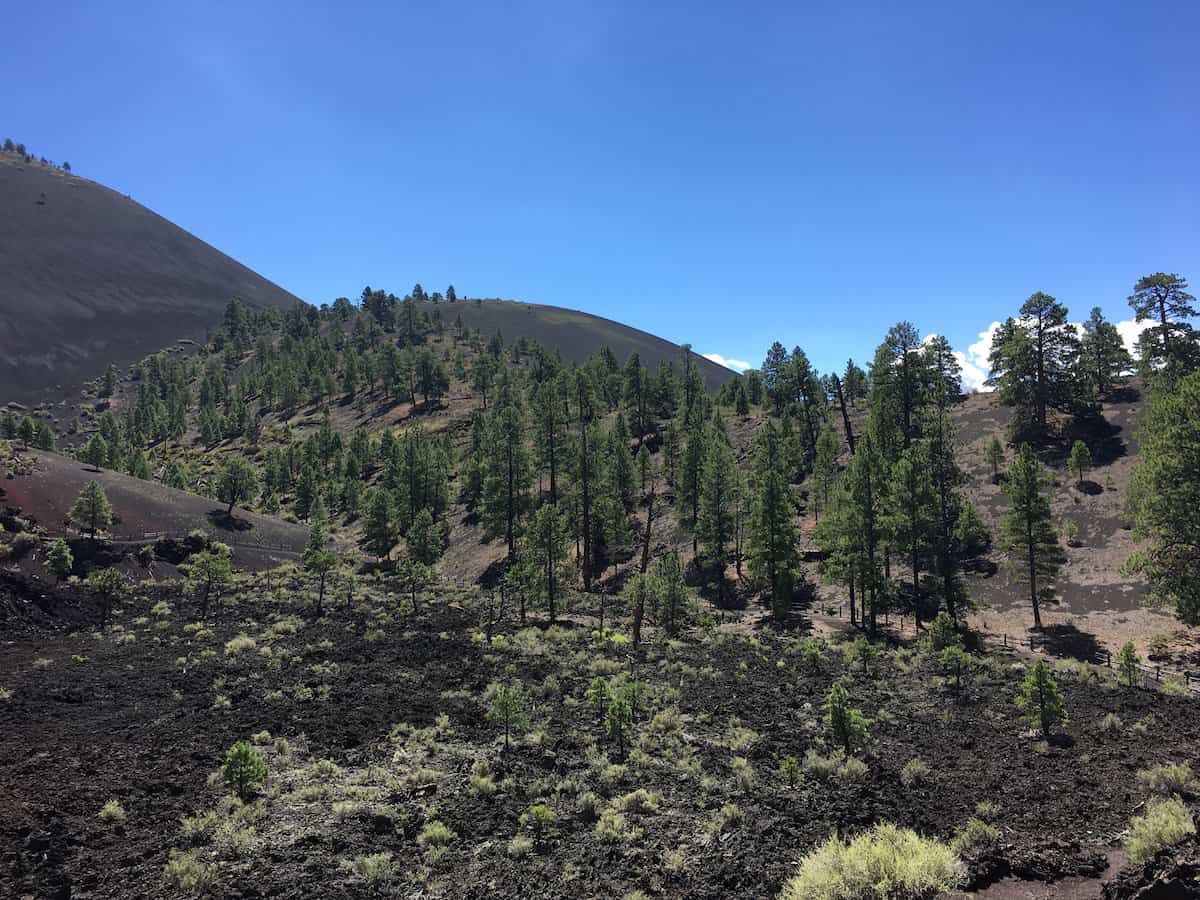
The area around Flagstaff is volcanic, including Mt. Humphreys. See a cinder cone along with lava fields at Sunset Crater Volcano National Monument. A drive along the Sunset Crater Loop Road is a must.
Located at 6082 Sunset Crater Rd., Flagstaff. Open sunrise to sunset. The visitor center is open daily from 9 a.m. to 4:30 p.m. A 7-day private vehicle pass is $25 for neighboring Sunset Crater and Wupatki National Monuments.
The Best Utah Road Trip Itinerary
Wapatki National Monument
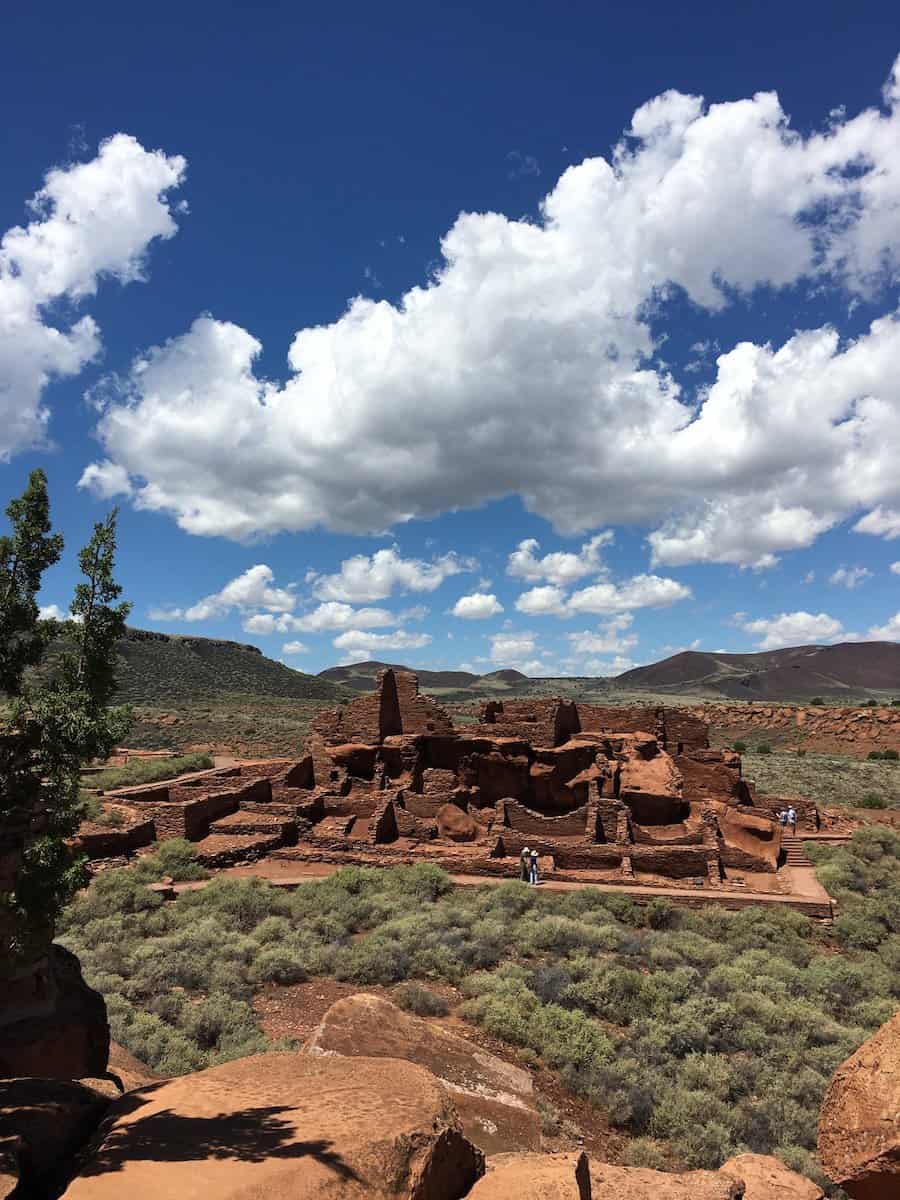
Explore the ancient pueblos of the Wupatki, including the 104-room Wupatki Pueblo, which was built with multi-level structures 900 years ago. Several short hiking trails lead to partially preserved pueblos.
Located at 25137 N. Wupatki Ln., Flagstaff. Open sunrise to sunset. A 7-day private vehicle pass is $25 for neighboring Sunset Crater and Wupatki National Monuments.
The Arboretum at Flagstaff
The Arboretum at Flagstaff is a 200-acre property to see the native trees and plants of northern Arizona. With 750 different plant species, learn how plants adapt to the Colorado Plateau.
Located at 4001 S. Woody Mountain Rd. Open Wednesday to Sunday from April 29 until the end of October from 9 a.m. to 4 p.m. Adult admission (18+) is $12 and kids (4 to 17) are $6. Dog-friendly.
Museum of Northern Arizona
Sitting at the base of the San Francisco Peak, the Museum of Northern Arizona offers visitors a look into the people, arts, and geology of the Colorado Plateau. This museum offers pottery discovered through archaeological research, natural history specimens, fine art landscape paintings and arts and jewelry of the people of the Colorado Plateau.
Located at 3101 N. Fort Valley Rd. Open daily from 10 a.m. to 5 p.m. (7 p.m. on Thursday). Adult admission is $18, students (10 to 17) are $13 and kids 9 and younger are free.
Planning Guide to Zion National Park
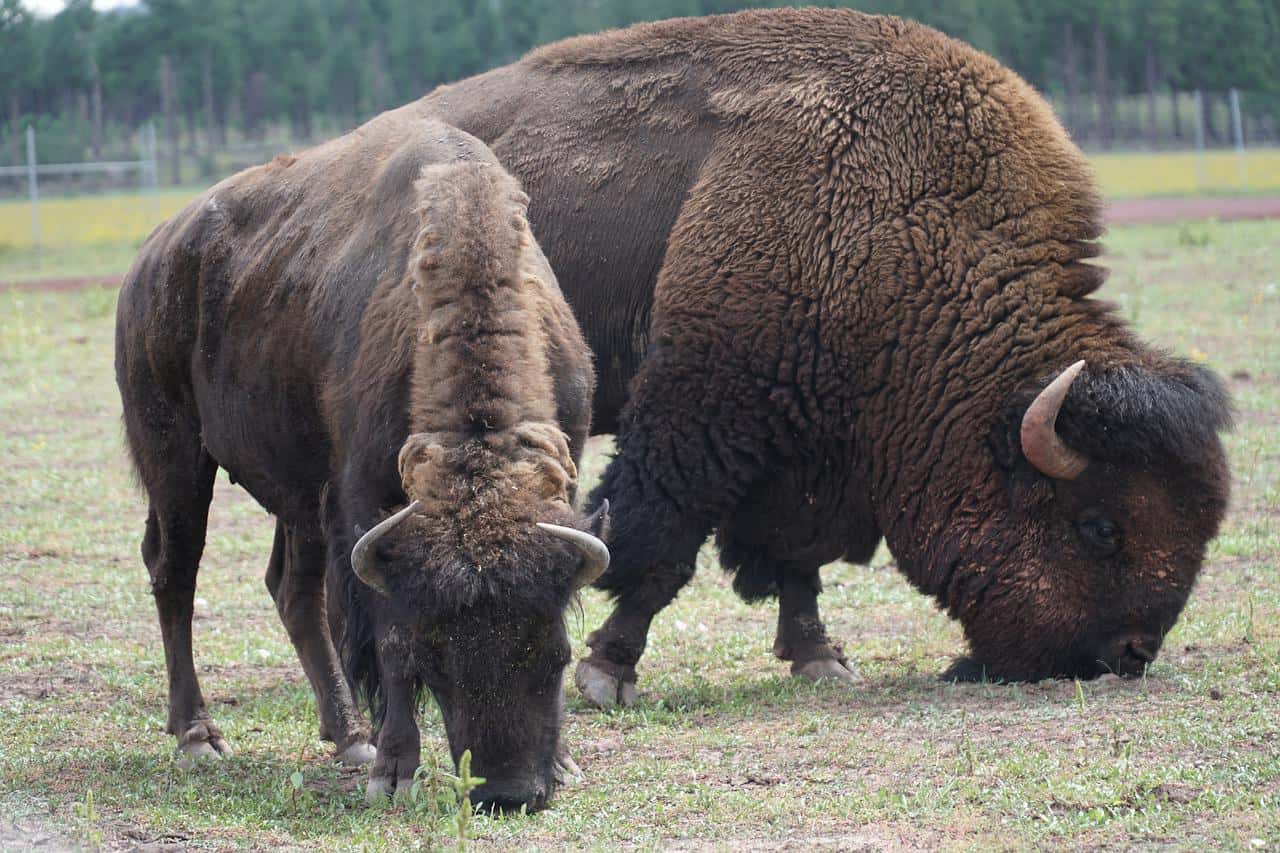
Bearizona Park
Located south of Grand Canyon National Park, this 160-acre drive-through wildlife park. As visitors drive through the ponderosa pine forest, they can see several types of bears along with badgers, bison, bighorn sheep and more.
Located at 1500 E. Route 66 in Williams. Open daily year-round from 9 a.m. to 5:30 p.m., with the last car admitted at 4 p.m. Adult admission starts at $30, and kids (4 to 12) start at $20, more on weekends and holidays.
Meteor Crater Natural Landmark
See where a meteor crashed into the Earth 50,000 years ago. It is considered to be one of the best-preserved meteor impact craters in the world. It’s 3,900 feet (1,200 m) across and 560 feet (170 m) deep and includes an interpretive center and rim tours.
Located on Interstate 40 at Exit 233, Winslow. Open daily from 8 a.m. to 5 p.m. Adult admission (12+) is $29 and kids (6 to 12) are $25.
Best Things to Do at Bryce Canyon National Park

Route 66
Take a drive down fabled Route 66, in 2026, it’s 100-years-old. It is one of the original routes across the U.S. before the interstate system.
For the best driving experience, nearby Williams, Arizona, offers an excellent section with lots of shopping and dining.
Disclosure: This article is sponsored.

Comments are closed.