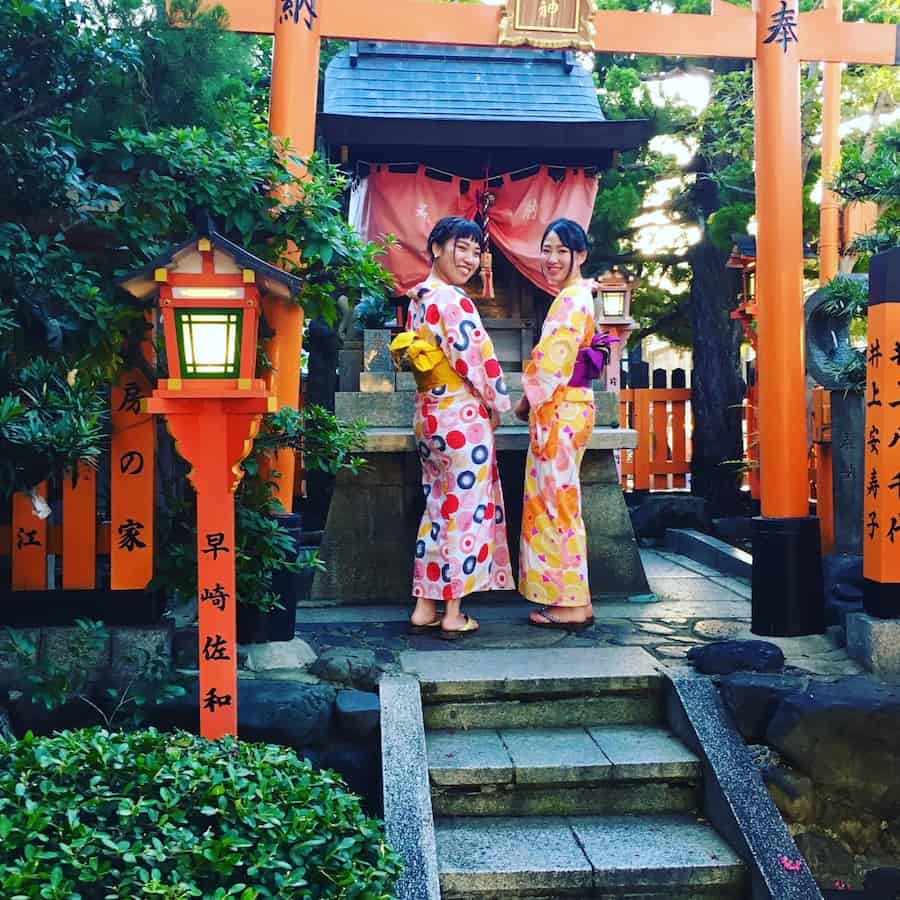
If traveling to Japan, your trip may include one of the traditional Japanese holidays. Some honor rites of passage, others are used as days of service, and several include special food. From New Year’s to the Emperor’s Birthday, Japan has holidays sprinkled throughout the year. Here are the Japanese Holidays to celebrate.
Japanese Holidays to Celebrate
Whether you’re exploring Japan for a weeklong getaway or spending a year as an exchange student or English teacher, celebrate Japan’s holidays. Here’s a guide to the Japanese Holidays to celebrate.
January 1st: New Year’s Day
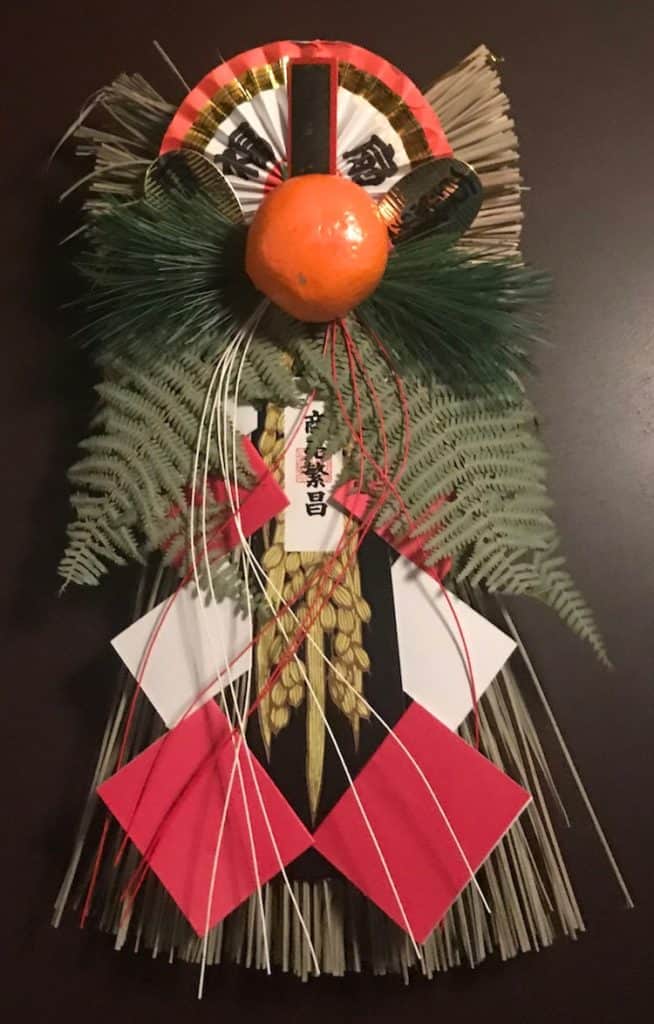
In Japan, the New Year’s holidays are usually celebrated from December 31st to January 3rd. During this time, families reunite for a few days, and it’s a major holiday.
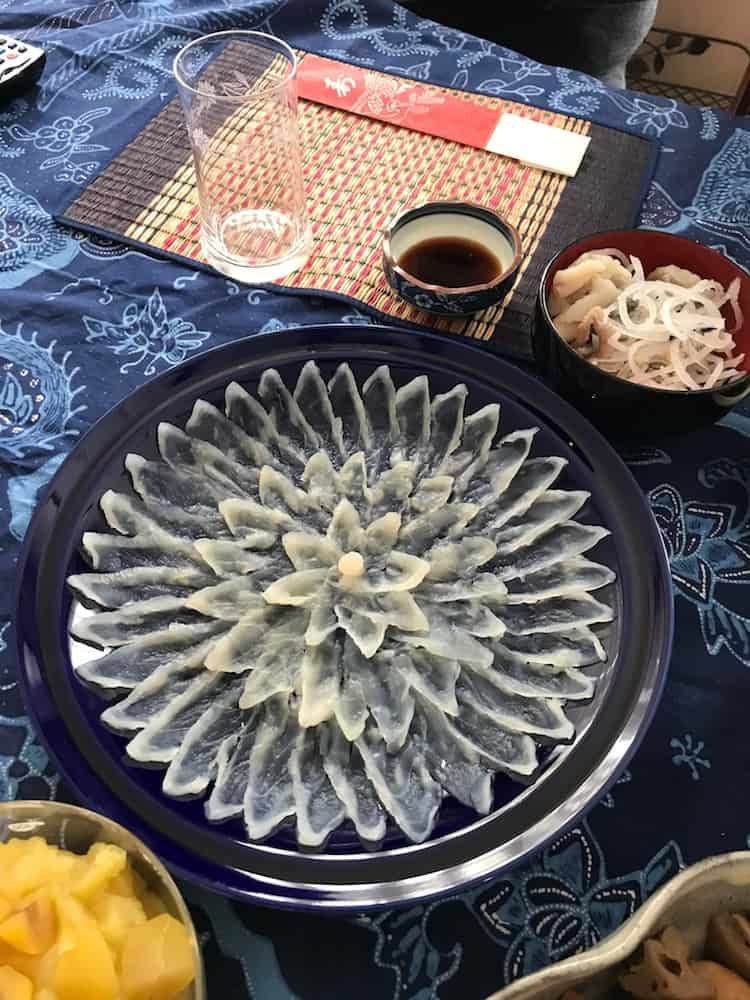
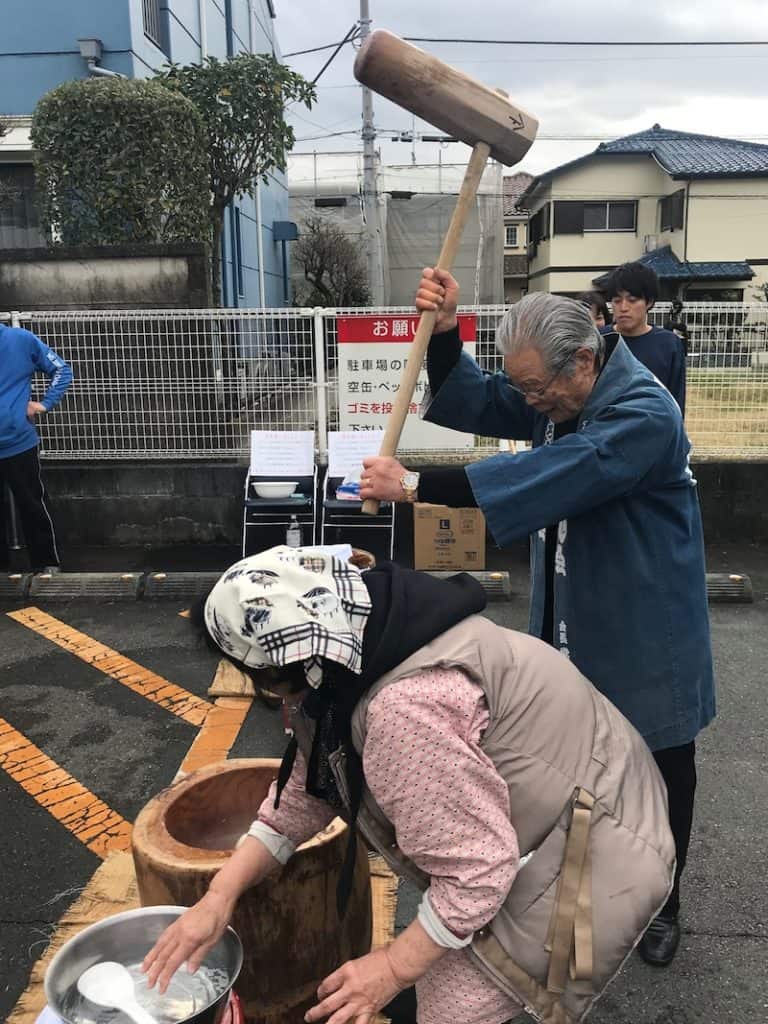
The Japanese celebrate New Year’s with traditional Japanese food, or Osechi. You’ll find buckwheat noodles, pounded rice, mochi, and fugu, a raw pufferfish sliced into thin pieces, are also served along and sushi.
A modern New Year’s tradition is watching the TV program, Kohaku Uta Gassen. It’s a singing competition with two teams of Japan’s most popular artists for that year. This TV program is so popular that for some years, over half of Japan tunes in to watch.
Best 3 Day Tokyo Itinerary
2nd Monday in January: Coming of Age Day
Coming of Age Day celebrates Japanese young people who will turn 20 years old between April 2nd of the previous year and April 1st of the current one. In Japan, 20 is the age at which you are considered an adult.
Every year, a ceremony at the local city hall starts around noon. For the ceremony, women wear a kimono called a Furisode with slippers called Zori. Men wear a pair of pants called Hakama, though many have replaced Hakama with Western-style suits. The ceremony includes speeches about new responsibilities.
Following the City Hall ceremony, most visit a shrine to pay respects to the past. To finish off their celebrations, new adults usually have small parties with their families. Or go out to local bars or restaurants to celebrate with a drink, since the drinking age in Japan is 20.
March 20th: Vernal Equinox Day
The Vernal Equinox Day (which varies from year to year) marks the beginning of springtime. Traditionally, it celebrates a Shinto holiday, the Japanese religion.
During this holiday, many people travel home to celebrate with their relatives. Often, families visit the graves of their loved ones and clean up the area around the graves. Then they often go to a local nature area to take advantage of the rest of the holiday.
Similar to the autumnal Equinox, this holiday is not centered around food. Although a popular treat is eaten, botamochi is a ball of rice covered in sweet red bean paste.
Top 30 Japanese Snacks You Must Try
Golden Week: April 29th to May 5th
Golden Week is a four-day national holiday in Japan. Many people get an entire week off work, so it’s a popular time to travel. If you’re traveling during Golden Week, plan ahead and expect higher rates.
April 29th: Showa Day
Showa Day celebrates Emperor Showa’s birthday (1901-1989). This holiday honors and remembers Japanese history during the 20th century. Since Showa Day is the first day of Golden Week, many people will travel or attend a public event about Japan’s involvement in World War II. Showa Day is not about partying or food, but about quiet reflection and relaxation.
May 3rd: Constitution Memorial Day
Constitution Day celebrates the meaning of democracy in the Japanese government. On this day, the National Diet Buildings (the Japanese legislature) are open to educate the public about democracy and World War II.
May 4th: Greenery Day
Originally established to honor the birthday of Emperor Showa, since he appreciated nature. Now people plant trees on his birthday to show respect for him.
In 2007, the holiday was renamed to Greenery Day and moved to May 4th. To celebrate, people use this holiday to enjoy the outdoors with their families.
The Emperor’s speech about nature offers a highlight of this day. After the speech, attendees planted tree seeds to show respect towards nature, the emperor, and all people of Japan. Smaller towns host brightly colored parades featuring dancers, music, and parade floats.
May 5th: Children’s Day
Children’s Day, or Kodomo no hi in Japanese, celebrates the happiness of children in Japan. Families commonly hang carp kites outside their homes to symbolize strength.
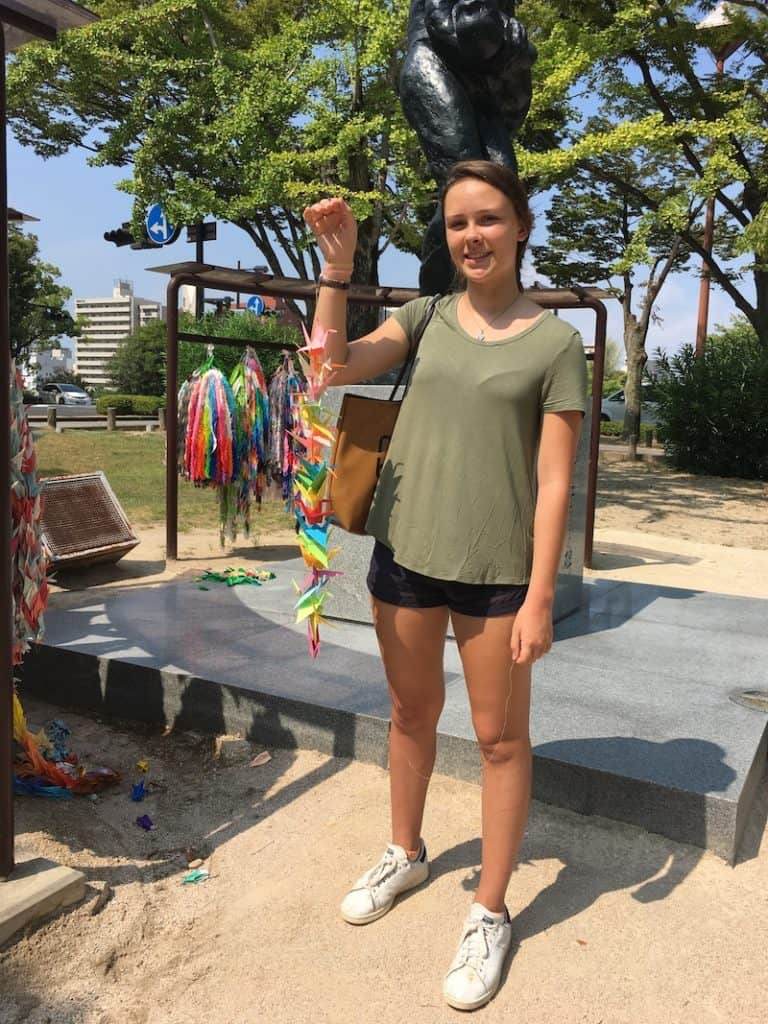
Boys dress up in samurai costumes to encourage virtuous decisions and strength. Kids and their parents will fold origami together. Sometimes, families will fold paper cranes to take to the Children’s Peace Monument in Hiroshima to honor the children who died from the atomic bombings.
3rd Monday in July: Marine Day
As a new holiday, Marine Day highlights the health of the world’s oceans and Japan’s role in keeping them clean. Many coastal communities host beach clean-up days.
Due to its seasonal timing, Marine Day is the unofficial first day of summer. Okinawa, a southern island of Japan, also hosts a large fishing competition.

September 3rd: Respect for the Aged Day
Respect for the Aged Day, or Keirō no Hi, is a national holiday in Japan to honor all elderly people. Japanese people typically celebrate it by returning home to visit their elderly family members and spend the day with them.
Major media outlets often dedicate programming for the day to inform viewers about Japan’s aging population. It also recognizes elders’ special accomplishments for that year.
September 23rd: Autumnal Equinox Day
Autumnal Equinox Day celebrates the changing of seasons, giving thanks for a bountiful harvest, and honoring the past. Common celebrations include reuniting with family for a meal, visiting the graves of family members and visiting temple and shrine festivals.
This holiday is not centered around food. However, people enjoy botamochi, a sweetened ball of rice covered in sweet red bean paste.

Second Monday in October: Sports Day
Originally created for the 1964 Tokyo Olympics, Health and Sports Day promotes a healthy lifestyle. Schools and workplaces host group sports festivals. With light-hearted sports competitions, the Japanese enjoy sack and relay races or multi-person jump rope contests. No special foods are related to this holiday, though people focus on healthy eating.
November 3rd: Culture Day
To appreciate Japan’s traditional and modern culture, many people visit universities, art galleries or museums. Many university students present their research work, open to the public.
November 23rd: Labor Day
To celebrate the people who work hard every day, Japan’s Labor Day is a day off. Typically, families gather together for a small celebration to reconnect and socialize.
As well as small celebrations, citizens go out of their way to give thanks to service workers and public employees. Small children draw pictures or write short cards to tell service men and women thank you.
December 23rd: Emperor’s Birthday
The current emperor’s birthday is December 23rd. And it’s a day for people to show their appreciation to the emperor. Leading up to the holiday, many shops and department stores sell stationery for letters to the emperor. These letters are often somewhat generic. However, if someone’s life has been significantly affected by the emperor’s rule, they write a personal letter of thanks.
Visit the Imperial Palace in Tokyo for the largest celebrations. Thousands of people will line up outside the emperor’s balcony to shout well-wishes and thanks. He gives a short speech. Then, special areas, like courtyards and inner rooms of the palace, are open for special tours.
Christmas in Japan
Christmas isn’t widely celebrated in Japan since it’s a Christian holiday. It’s considered a holiday for couples to spend time together. Many schools and workplaces do not have the day off.
Though find a few notable celebrations. Parks and amusement parks host winter light shows called illuminations. During the weeks leading up to the Christmas and New Year’s holidays, many shops and department stores will have special sales. And some restaurants offer special menus.
My Year Abroad
I spent my sophomore year of high school at an all-girls high school in Tokyo’s Suginami Ward. As a way to document my experiences, I’m writing articles to help others traveling to Japan.
Additionally, I earned my Gold Award with USA Girl Scouts Overseas during my exchange year through my articles.

Comments are closed.