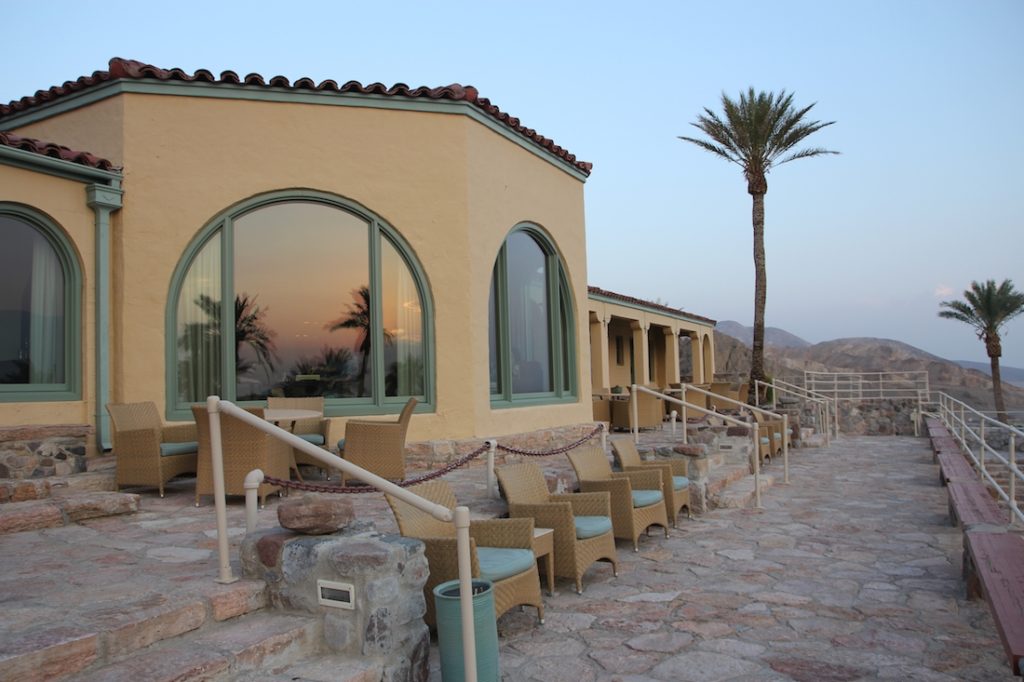
California is rich in National Parks, from Alcatraz to Yosemite. Travelers can explore everything from a gritty, notorious prison to an epic mountainous landscape dotted with waterfalls. There’s the hottest, lowest and driest landscape in North America and numerous volcanoes. Visitors will also find the Redwoods in several park sites and tide pools in others. Here are the top 25 National Parks in California.
25 National Parks of California
Redwood National and State Parks
Lassen Volcanic National Park
Lava Beds National Monument
Golden Gate National Recreation Area
Alcatraz Island
Presidio of San Francisco
Fort Point National Historic Site
San Francisco Maritime National Historical Park
Fort Mason Park
Rosie the Riveter/WWII Home Front National Historical Park
John Muir National Historic Site
Muir Woods National Monument
Pinnacles National Park
Yosemite National Park
Kings Canyon National Park
Sequoia National Park
Joshua Tree National Park
Death Valley National Park
Mojave National Preserve
Santa Rosa and San Jacinto Mountains National Monument
Channel Islands National Park
Devils Postpile National Monument
Manzanar National Historic Site
Castle Mountains National Monument
Cesar E. Chavez National Monument
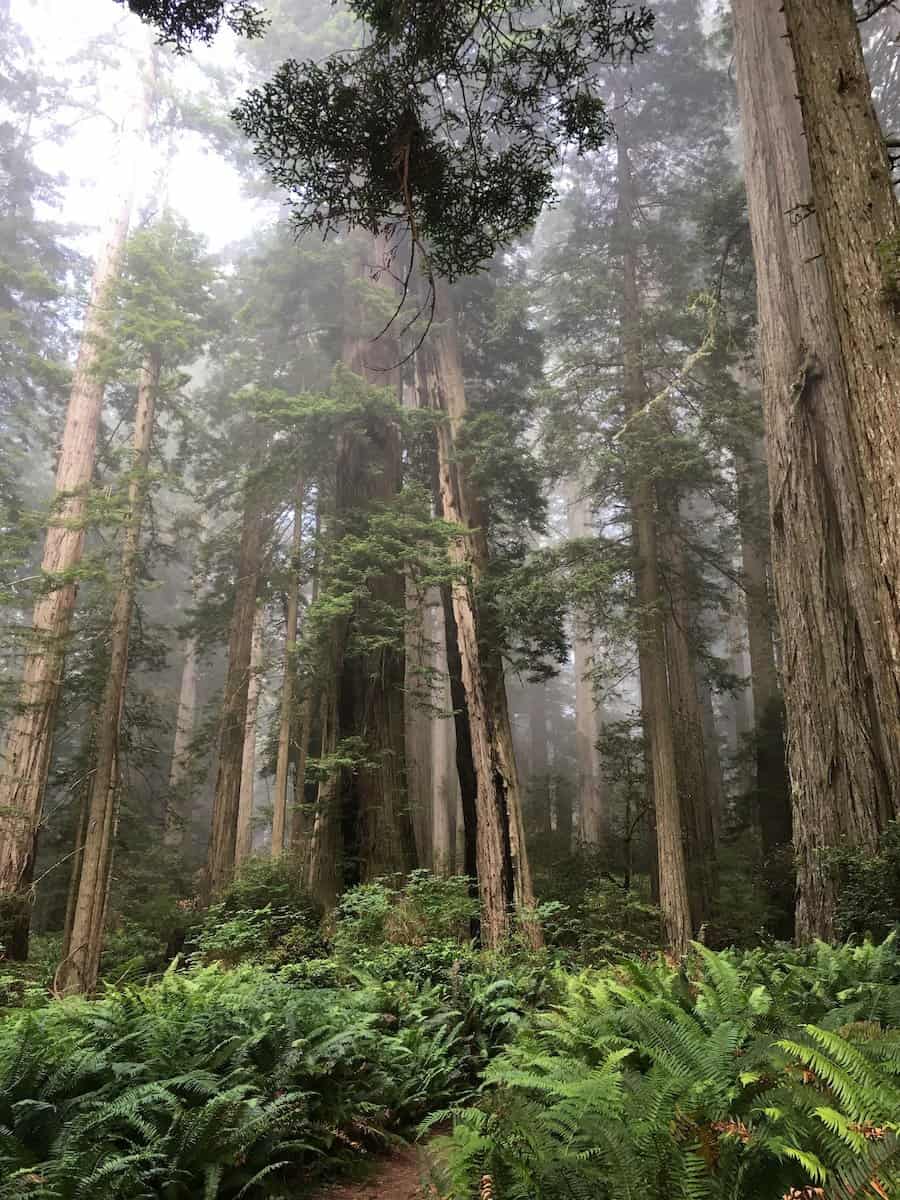
Redwood National and State Parks
The California Redwoods can be found in several parks across the state. They are one of the state’s top destinations.
However, to see the largest trees in the world, you need to visit the Redwood National and State Parks in Northern California. California boasts two of the three types of redwoods.
The Redwoods are one of the iconic landscapes of North America. A strain of Coastal Redwoods is protected and is a UNESCO World Heritage Site.
For Star Wars fans, the trees were immortalized as Endor’s Forest Moon (or the land of the Ewoks). While there, take a hike, or bike, on one of its many trails.
Where’s Redwood National and State Parks
Redwood National and State Parks are located along U.S. Route 101 in Northern California. From the south, the Thomas H. Kuchel Visitor Center is 2 miles west of Orick, California, or 312 miles north of San Francisco. On the park’s north side, the Jedediah Smith Visitor Center in Crescent City, California, is 322 miles south of Portland, Oregon.
Redwood National and State Parks is open 365 days a year and 24 hours a day. The Redwood National Park is free to enter through Jedediah Smith Redwood State Park, Del Norte Coast Redwood State Park and Prairie Creek Redwood State Park which collect day-use fees at their respective campgrounds. Find campgrounds and cabins in the park.
Top Things to Do in Redwood National and State Parks
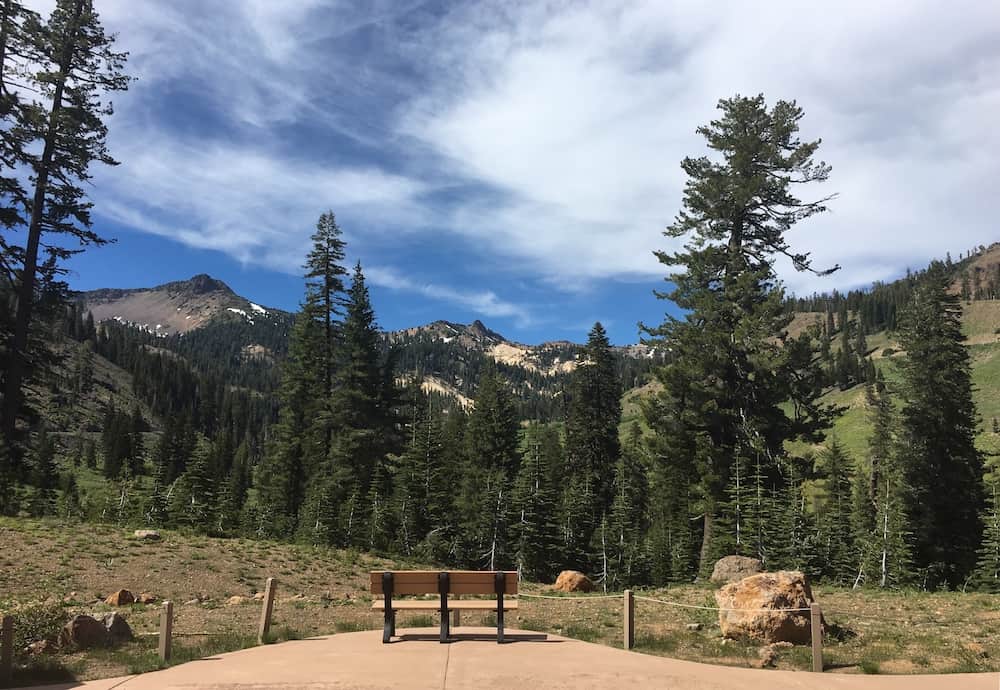
Lassen Volcanic National Park
This Northern California gem boasts fewer crowds than Southern California’s national parks. Lassen Volcanic National Park is known for its majestic mountain scenery covered in evergreens, like the more southerly Sequoia or Yosemite.
Located in the Cascade Mountain Range, Lassen Park is actually a volcano. Its namesake, Lassen Peak, is the largest plug volcano in the world.
To learn more about its volcanic activity, start at the visitor center or hike to see the effects. Visit one of the hydrothermal areas while in Lassen. Learn about the different types of volcanic rocks in the Devastated Area.
Where’s Lassen Volcanic National Park
Located north of San Francisco, Lassen Volcanic National Park is 50 miles east of Redding. Redding is the largest city located north of Sacramento, so it offers all the services and supplies for travelers.
Lassen Volcanic National Park is open 365 days a year and 24 hours a day. Use an America the Beautiful annual pass ($80) or purchase a 7-day pass for $30 per vehicle.
The main road through Lassen National Park closes for snow. The Lassen Volcanic National Park Highway usually fully opens up in late May or early June and closes in late October or early November.
Note: Some areas of the park are closed due to the effects of the 2021 Dixie Fire.
Top Things to Do in Lassen Volcanic National Park
Lava Beds National Monument
Over 46,000 acres, Lava Beds National Monument lies at the intersection of the Cascade, Great Basin and Sierra-Klamath geophysical boundaries. It’s on the northeastern flank of Medicine Lake Volcano, which is the largest volcano by area in the Cascade Range.
One of the top things to do is explore its lava tubes. In the park, 27 are marked and include trails. Visit the visitor center at the south end of the park, near Cave Loop Road, before entering.
Located at 1 Indian Well, Tulelake, CA. Lava Beds is open 365 days a year and 24 hours a day. Use an America the Beautiful annual pass ($80) or purchase a 7-day pass for $25 per vehicle.

Golden Gate National Recreation Area
The 82,116-acre Golden Gate National Recreation Area is an ecologically and historically significant parcel in San Francisco. It’s the second most-visited national park site (after the Blue Ridge Parkway) and one of the largest urban parks in the world.
The Golden Gate National Recreation Area contains several other NPS sites within its boundaries. Alcatraz, Crissy Field, Muir Woods and the Presidio of San Francisco are all within the Golden Gate NRA.
Its sites are located in several counties, like Southern Mateo County, the west side of San Francisco and Northern Marin County. The Golden Gate Bridge is within the park’s boundaries and offers a visitor center.
At the Visitor Center, there’s a cross-section of the park that demonstrates how the famous bridge was constructed. Located at Golden Gate Bridge Plaza, it is free to enter and open daily from 9 a.m. to 6 p.m.
Top Things to Do in San Francisco
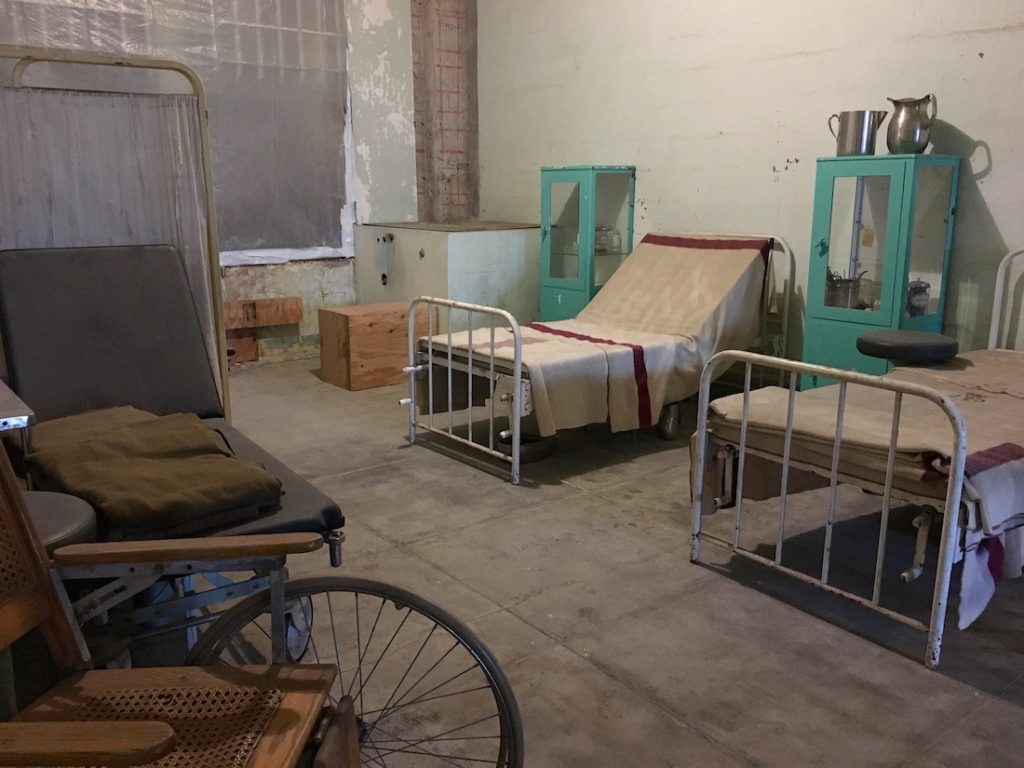
Alcatraz Island
Out in the San Francisco Bay, a notorious prison is on everyone’s bucket list, even international tourists. It is one of the top U.S. attractions.
Tickets sell out months in advance, especially for its night tour. This one feels like a movie set from an 1980s horror flick.
The infamous prison was home to Al Capone and other prisoners with nicknames like Birdman, Creepy and Machine Gun. However, it is actually a National Park.
I recommend the Night Tour; it includes extras like the closing of the cell block and access to the prison’s hospital. It is super creepy, but my school-aged kids’ favorite thing to do in San Francisco.
Departs from Pier 33. The only way onto Alcatraz is through the official concessionaire: Alcatraz Cruises. Due to the popularity, reserve tickets up to 90 days in advance. Tickets vary on the type of tour.
Top Tours at Alcatraz Island
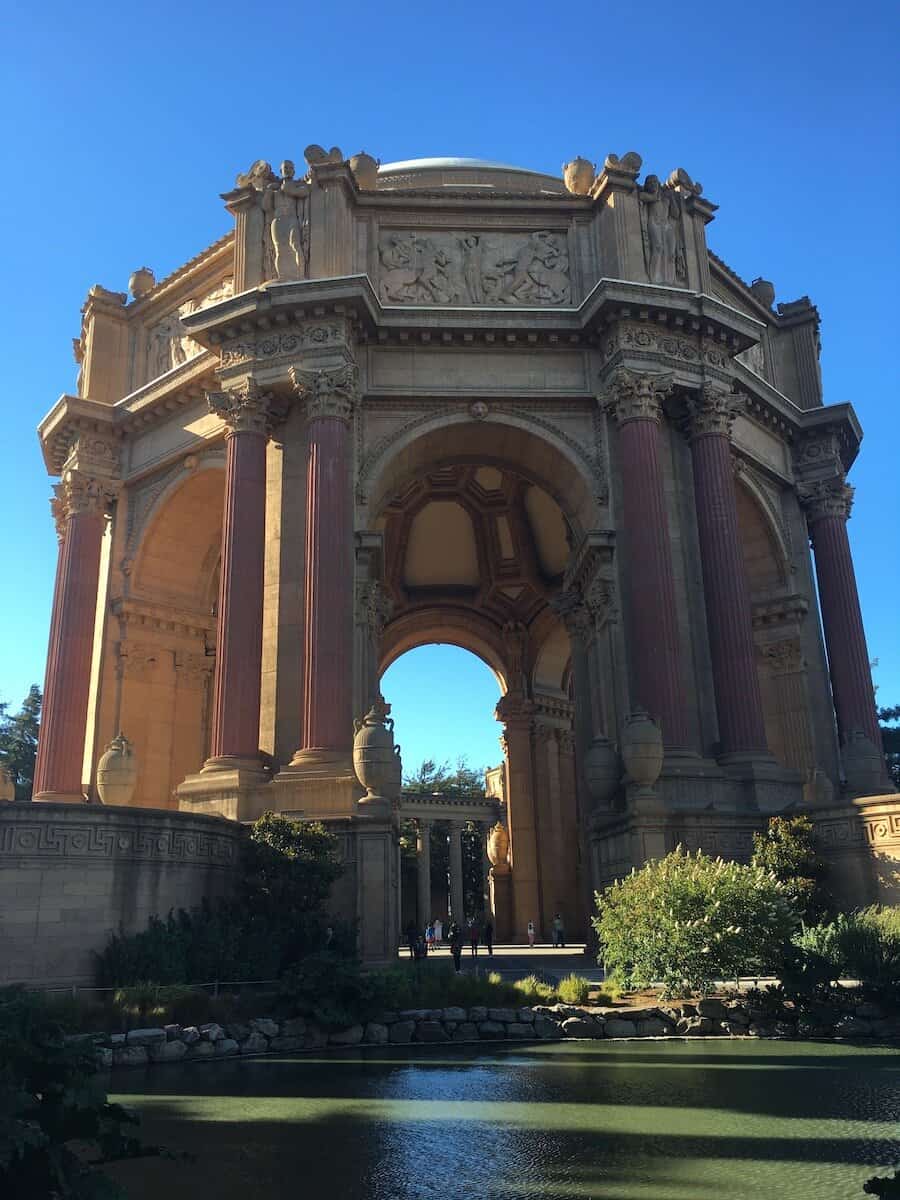
Presidio of San Francisco
In the heart of San Francisco, the Presidio is a 1,500-acre site. There, visitors will find 24 miles of hiking and biking trails, including the Golden Gate Promenade, and eight overlooks. On the water, guests can kite surf and board surf.
The East Beach and the West Beach are located in the Presidio. Other recreational activities include a golf course, a bowling alley, tennis courts and athletic fields.
The top things to see are the Yoda Statue, located at 1 Letterman Dr. The Walt Disney Museum is also located in the Presidio, at 104 Montgomery St. The Fort Point National Historic Site is another place to visit.
Its visitors’ center is at the bottom of the Main Post parade ground near the corner of Montgomery Street. Located in a refurbished guardhouse (circa 1900), visitors can learn more about the history and ecology of the area. Located at 210 Lincoln Blvd. It is open daily from 10 a.m. to 5 p.m.
This area is at the north end of San Francisco, at the south end of the Golden Gate Bridge.
It is open 24 hours a day and free to enter.
Fort Point National Historic Site
From the Gold Rush era to its use in WWII, the Fort Point National Historic Site is in the shadow of the Golden Gate Bridge. Known as the Castillo de San Joaquín, this site is dedicated to history.
There are daily 15-minute ranger-led interpretive programs. Visitors can watch the interpretive park film. Families can earn Junior Ranger badges.
Located at 201 Marine Dr. Open Thursday to Monday from 10 a.m. to 5 p.m. (closed Tuesday and Wednesday). It is free to visit.
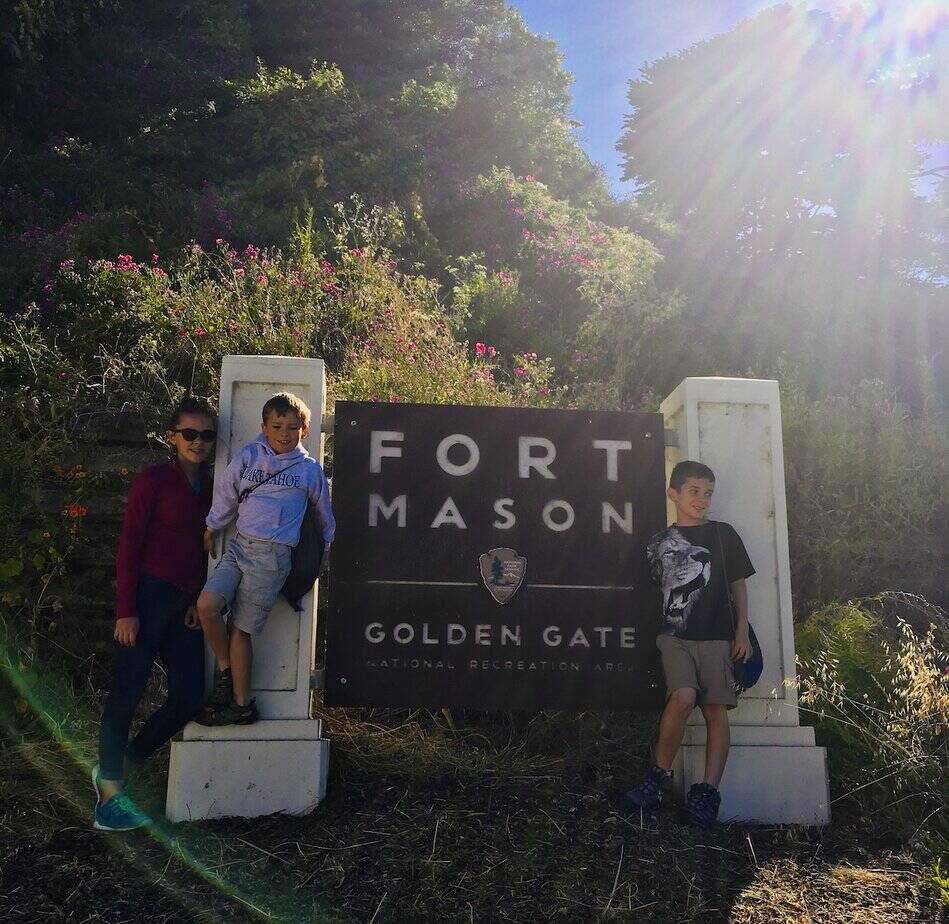
Fort Mason Park
Separate from the Presidio, Fort Mason is a 1,200-acre greenbelt. As its named inplies, it’s a former military installation, now the local headquarters of the National Park Service and Golden Gate National Parks Conservancy.
Its Great Meadow is an outdoor play area and is most appealing to travelers. There are also several trails in Fort Mason, all less than a mile in length.
During the Earthquake of 1906, this is where people camped. Building 201 is where guests will find more information.
Fort Mason Center is home to more than 30 nonprofits.
Located at 1 Fort Mason. Open daily from 8 a.m. to 10 p.m. Free to enter.
Rosie the Riveter/WWII Home Front National Historical Park
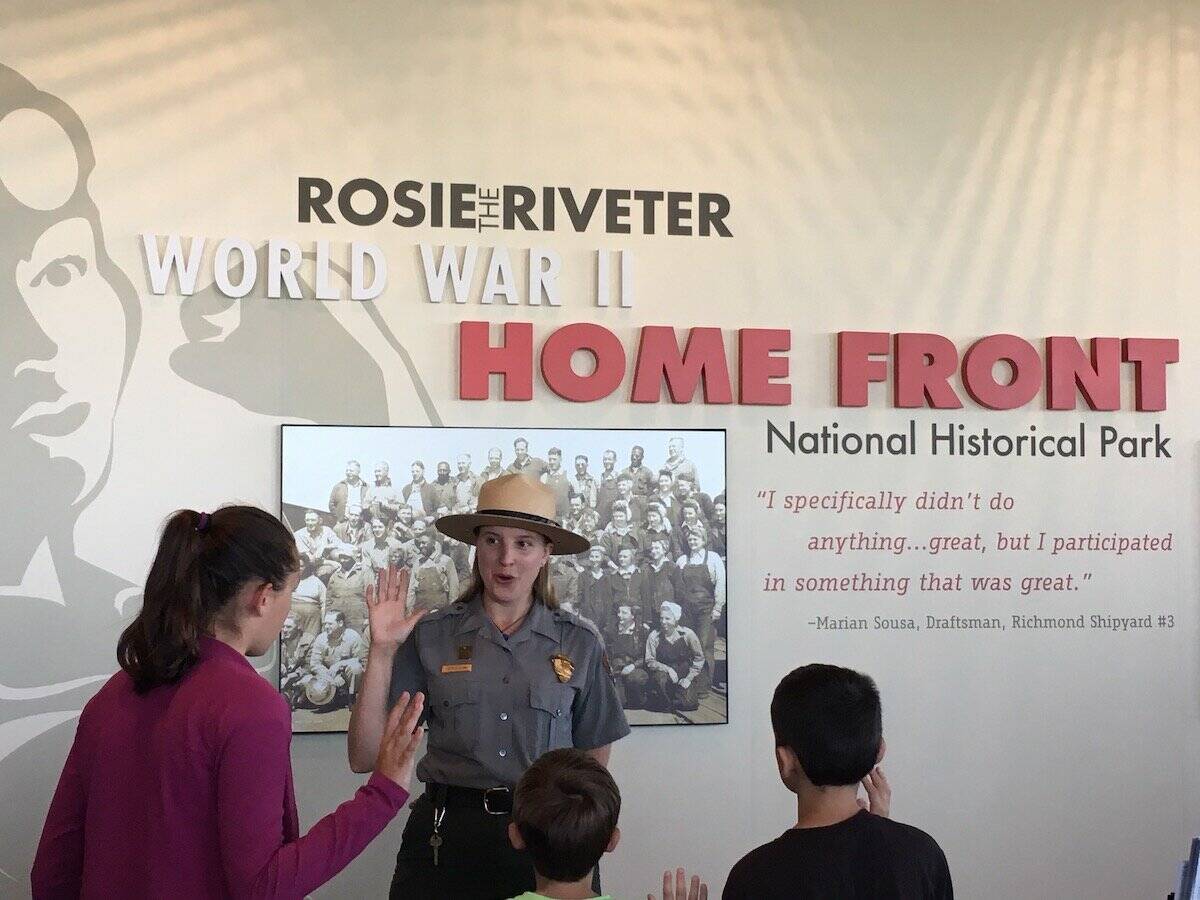
Across the bay in Richmond, the 145-acre Rosie the Riveter / WWII Home Front National Historical Park is dedicated to the women who put on dungarees as a part of the war effort. Housed in the Oil House of the Ford Assembly Plant, this site was integral to building tanks and Jeeps.
Start at the Rosie the Riveter Education Center, which features interactive exhibits and interpretive films. The iconic image of Rosie represented over 19 million women who worked during World War II.
Another site to visit is the Rosie the Riveter Memorial at Marina Park on Regatta Blvd., in Richmond.
Located at 1414 Harbour Way S #3000, Richmond. Open daily from 10 a.m. to 5 p.m. Free to enter.
John Muir National Historic Site
The 345-acre John Muir National Historic Site explains the impact of the naturalist, John Muir. He was integral to the preservation of Yosemite National Park.
Muir was also a fruit farmer, a prolific writer, and the founder of the Sierra Club. He is also thought of as the father of the National Parks.
This site features his family home, the Muir/Strentzel House. Built in 1882, it is a Victorian Italianate 17-room mansion, originally owned by his father-in-law, Dr. John Strentzel.
There is an additional visitor center located on-site. It shows an interpretive film explaining Muir’s conservation efforts.
Visitors can hike the trails at Mount Wanda, named after Muir’s daughter. Picnicking is available at the site as well.
Or you can visit the fruit orchards, part of the original Muir-Strentzel Ranch. They supported the family, and there’s apple, pecan, fig and pear trees.
Located at 4202 Alhambra Ave, Martinez. Open Tuesday through Saturday from 10 a.m. to 5 p.m. (closed on Sunday and Monday).
Top Things to Do in Sacramento
Muir Woods National Monument
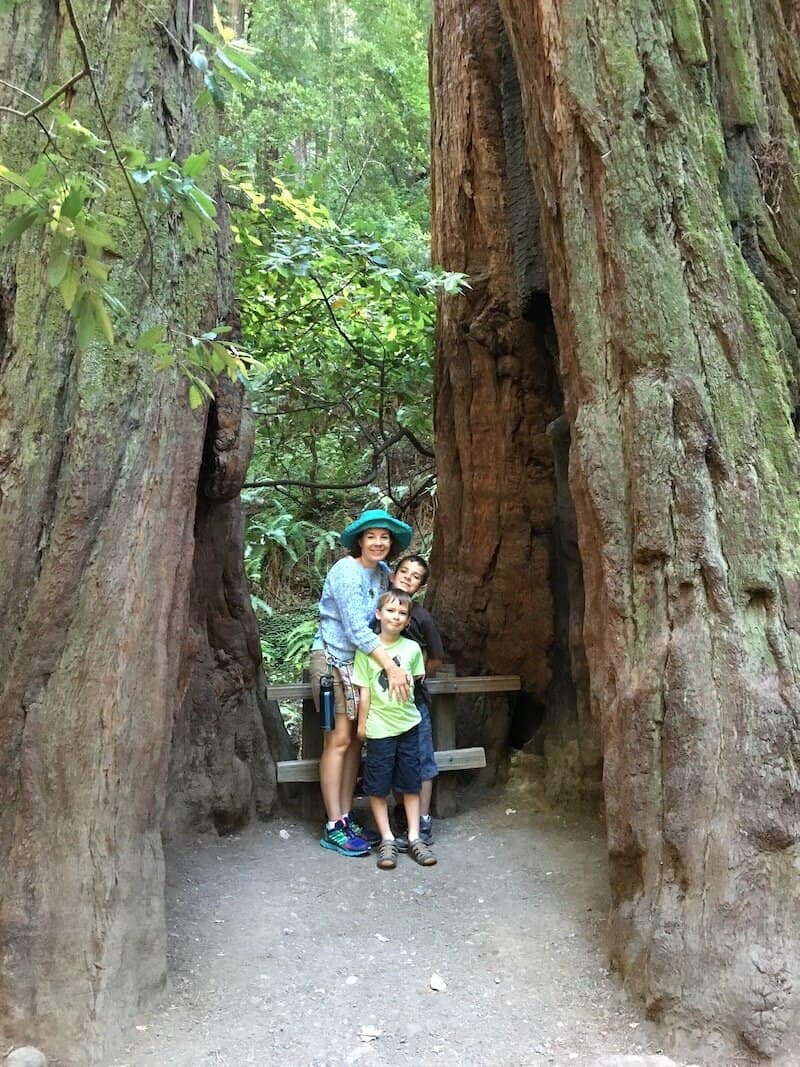
With a grove of towering old-growth redwood trees, these are the closest redwoods to a California city. This is one of the best National Parks near San Francisco.
Visitors can hike on any of the 6 miles of trails. There is a 1/2-hour loop, a 1-hour loop, and a 1-1/2 hour loop. We did this during our visit. Worth noting, this NPS site is popular, and the trails can get congested. Hikers can pass through the Cathedral Grove and Bohemian Grove, and along Redwood Creek.
Park rangers hold a daily Welcome to the Woods 15-minute program at 10:15 a.m. and 1:15 p.m. On Fridays, Saturdays, Sundays, and Mondays, rangers host Into the Woods, a free 1-hour guided tour. This starts at 11 a.m. and takes visitors on a slow, 0.5-mile stroll on an accessible trail.
Both are free to attend and require no registration. Kids can also earn a Junior Ranger badge here.
Muir Woods Visitor Center is open from 8 a.m. until 30 minutes before the park closes (seasonal hours). Mount Tamalpais State Park. is adjacent to this NPS site.
Muir Woods Trading Company operates a small cafe. There isn’t a campground. Camping is available at Mount Tamalpais State Park.
Located at1 Muir Woods Rd., Mill Valley. Open daily from 8 a.m. to 5 p.m. in Winter, 6 p.m. in early Spring and late Fall, 8 p.m.in the summer. To visit Muir Woods, you must have a parking reservation with a 30-minute arrival window via GoMuirWoods.com. Adult admission is a $15 per person (16 and older), those 15 and younger enter for fee. An NPS annual pass gets the pass holder and three additional people. Pets and bikes are not allowed in Muir Woods National Monument.
Point Reyes National Seashore
This 71,028-acre National Park Site is located in Marin County, north of San Francisco, on the Point Reyes Peninsula. The peninsula is virtually separated from the mainland along the San Andreas fault.
There are over 1500 species of plants and animals in the Point Reyes National Seashore. Visitors can see seasonal migrating Gray Whales at Point Reyes headlands and park beaches from January to April.
Wildlife viewing points are the best option. To see the tule elk range, head to Tomales Point Trailhead. The Elephant seals are also visible at the Elephant Seal Overlook near Chimney Rock.
Bear Valley Visitor Center is a good first stop. In the barn-like building, visitors will find park rangers, maps and interpretive displays. The Morgan Horse Ranch is close-by and home to horses. The Kule Loklo is also nearby and is a replica of a Coast Miwok Indian village.
About 45 minutes from the Visitor Center, the 1870 Point Reyes Lighthouse is a popular site. From the observation deck, there is a 313-step hike to reach the lighthouse.
Visitors can hike, bike or horseback ride on 150 miles of trails. Check in at the Visitor Center for more details. The Earthquake Trail is a popular one; it explores the San Andreas Fault Line.
For visitors who want to visit a beach, head to Drakes Beach. The Kenneth C. Patrick Visitor Center is open seasonally for whale-watching and seal pup season from late December to late April from 10 a.m. 4 p.m.
Located at 1 Bear Valley Road, Point Reyes Station. The grounds are open daily from 6 am to midnight. It is free to enter. The Bear Valley Visitor Center is open daily from 9:30 a.m. to 5 p.m.
Eugene O’Neil National Historic Site
This is the former home of the only Nobel Prize-winning playwright, Eugene O’Neill. Located in Danville, about 30 miles east of San Francisco. The site includes the Tao House, where O’Neill wrote his plays, including A Touch of a Poet.
To visit the Eugene O’Neill National Historic Site, visitors need to make reservations. They will be driven by a park shuttle from the Town of Danville, California.
Located at 205 Railroad Ave., Danville. Open Wednesday to Sunday from 10:30 a.m. to 4:30 p.m. Reservations are required. Tours are held at 10 a.m. and 2 p.m.
Pinnacles National Park
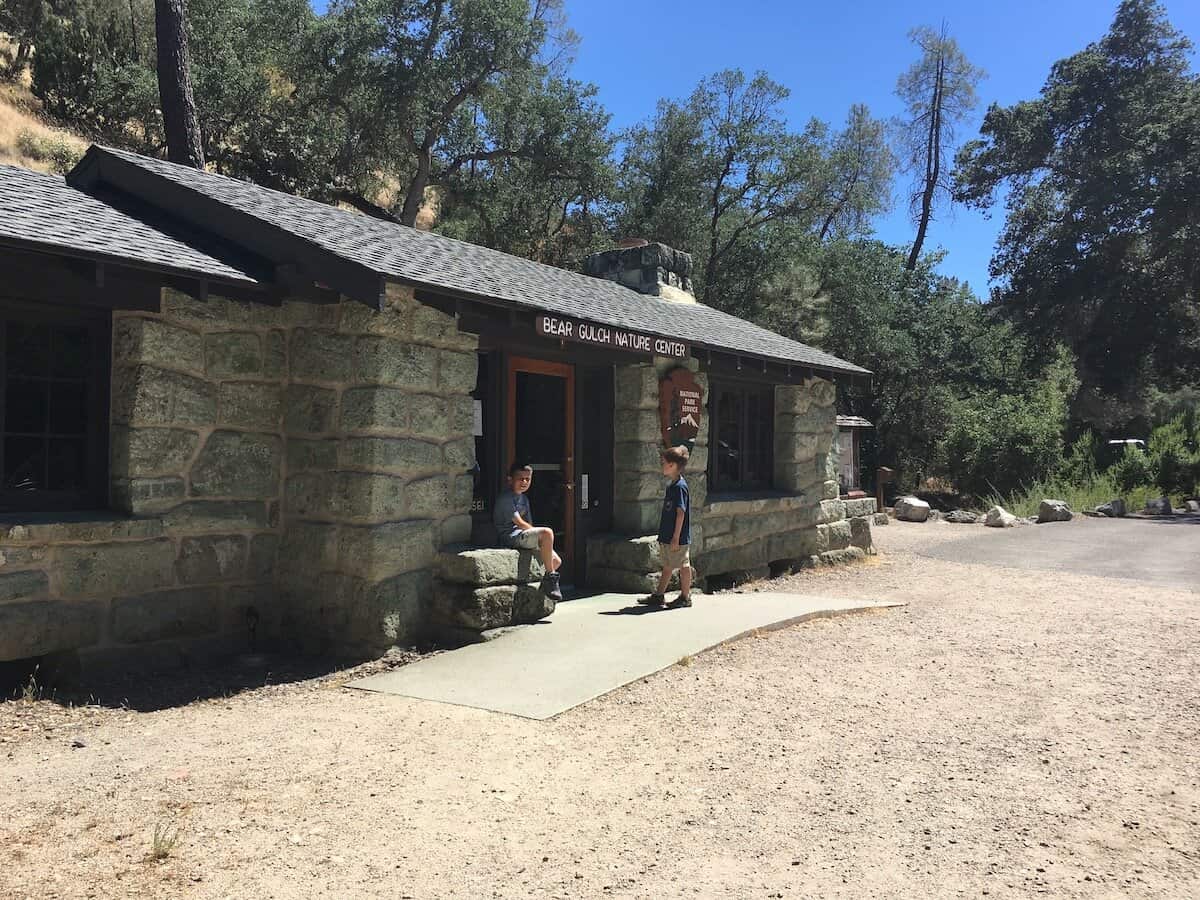
Incorporating over 26,000 acres, Pinnalces National Park protects a mountainous area located east of the Salinas Valley in Central California. It is frequented by California Condors.
Formed by a volcano over 23 million years ago, the pinnacle rock formations are from a volcano that moved 200 miles south along the San Andreas Fault. It is also a popular destination for rock climbers.
Pinnalces National Park is divided into an East and a West Side. On my trip, I didn’t realize that a road does NOT bisect the park, only hiking trails. If limited on time, visit the East Side since it offers the visitor center and most activities.
Located 80 miles (130 km) southeast of San Jose, that’s 3.5 hours from SFO. Pinnalces is open 24 hours a day, 365 days a year on the East Side. The gate on the West Side is open daily from 7:30 a.m. to 8 p.m. Admission is is $30 per vehicle for a 7-day pass, or use a NPS Annual Pass.
Yosemite National Park
This mountain escape is one of the most popular national parks in the U.S. Naturalist John Muir captivated the public in his efforts to save this landscape that includes Yosemite Valley, El Capitan, redwoods, waterfalls and more.
For first-time visitors, Yosemite Valley is the place to start, with a handful of Yosemite’s most famous waterfalls, like Vernal Fall, Nevada Fall, Bridalveil Fall and Yosemite Falls. Travelers will also find the majority of the lodging, camping and dining in the valley.
Where’s Yosemite
It is located about 280 miles from Los Angeles, and the trip will take about 4 hours by car and 4.5 hours from SFO. Yosemite National Park is open 24 hours a day, 365 days a year. Admission to Yosemite is $35 per vehicle for a 7-day pass. Worth noting that many roads are closed for winter.
Top Things to Do in Lake Tahoe in Summer
Kings Canyon and Sequoia National Parks
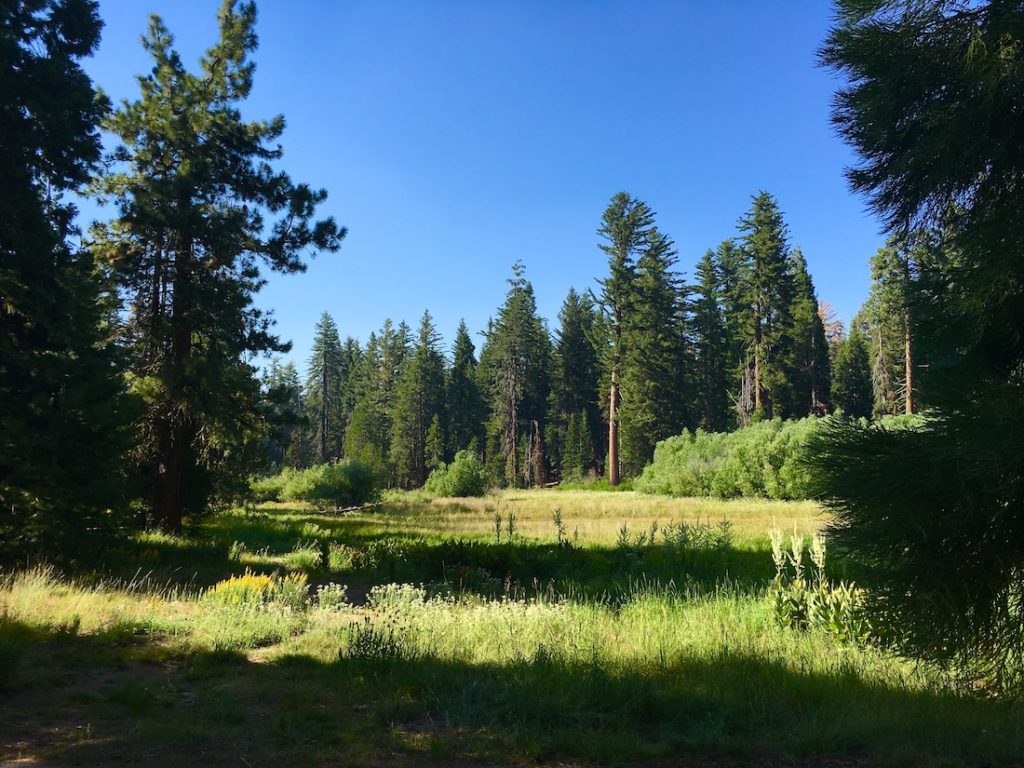
Located in the Sierra Nevada mountains, this is a popular summer destination for its redwoods. First, take the kids on a hike through redwood trees so tall they touch the sun. Then climb through the trunk of a fallen giant. This is one of the closest National Parks to Los Angeles.
Saddle up the school-aged kids and take a guided trail ride through the forest. Attend a Park Ranger Program. Reserve a cabin for an unforgettable weekend getaway with the family.
Sequoia was established in 1890 after Yellowstone, the first national park in California and the second in the system. Sharing a boundary with Sequoia, Kings Canyon was established in 1940.
Home to the highest peak in the lower 48, find Mt. Whitney in Sequoia. Sequoia and Kings Canyon earned their rank as a top California destination.
Where’s Kings Canyon and Sequoia National Parks
Sequoia is 200 miles from Los Angeles, and Kings Canyon is 240. Sequoia and Kings Canyon National Parks remain open 24 hours a day, 365 days a year, though seasonal road closures happen. Admission is $35 per vehicle for a 7-day pass.
Camping, cabins and lodging are offered in both parks, though reservations are recommended.
Top Things to Do in Kings Canyon Sequoia National Parks
Joshua Tree National Park
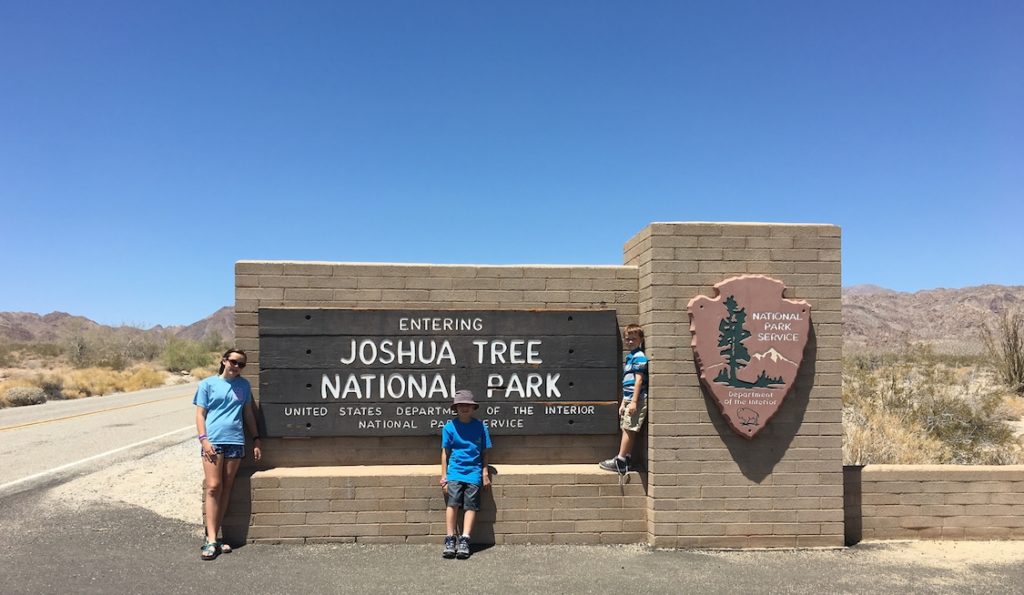
Travelers leaving Los Angeles fail to look beyond the lane lines as they race east toward Phoenix. Just outside Palm Springs, Joshua Tree National Park offers families a glimpse into two different desert ecosystems. This national park, which is larger than the state of Rhode Island, is best explored during the school year. Families can hike it and it’s one of the Closest National Park to Los Angeles.
Hike the Bajada Trail or the Keys View Trail for family-friendly hiking trails. The north entrance of the park offers more Joshua trees than the south entrance. This is one of the Best National Parks Close to LA.
Where’s Joshua Tree
Located 143 miles from Los Angeles, Joshua Tree National Park is open 24 hours a day, 365 days a year. Admission to Joshua Tree is $30 per vehicle for a 7-day pass.
I found year-round camping, some first-come, first-served. Palm Springs offers nearby lodging and food service that is not located in the park.
Top Things to Do in Joshua Tree National Park
Death Valley National Park
It might sound more like a nightmare than a getaway, but Death Valley offers families a unique landscape to explore. This California national park captures kids’ imaginations with just its name.
A land of extremes, Death Valley is the largest national park outside of Alaska, with over 3 million acres. It is home to the lowest point in North America, 282 feet below sea level, and the highest air temperature ever recorded (134° F/56.7 °C).
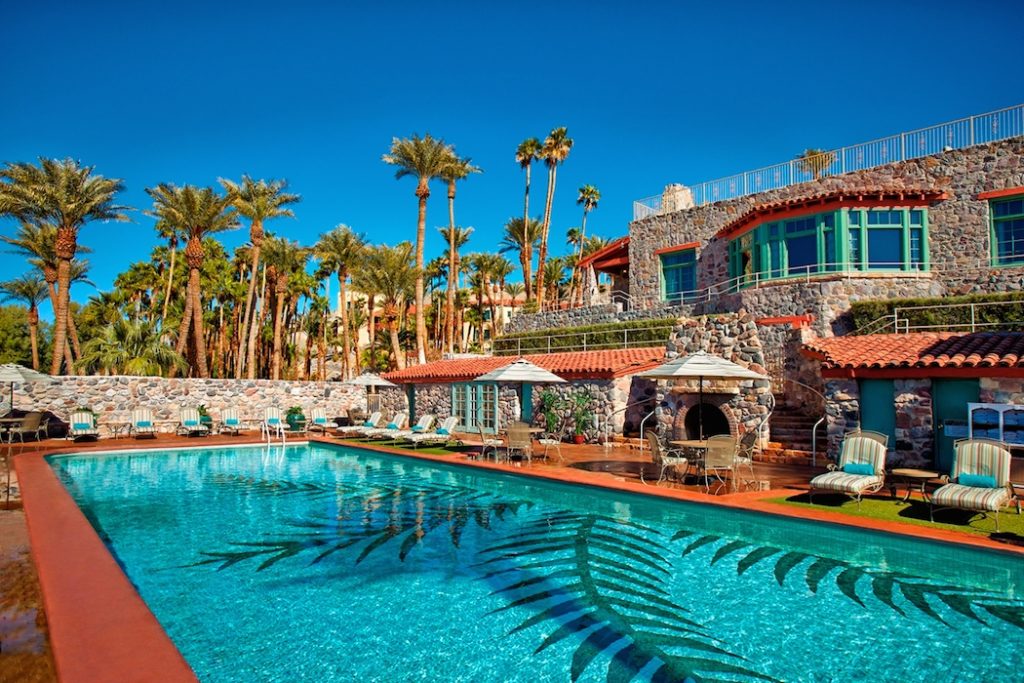
In some of the harshest living conditions in North America, I discovered a luxurious side of Death Valley. At the Inn at Furnace Creek, a AAA four-diamond resort, I found an 18-hole golf course, tennis courts, massages and a glamorous spring-fed pool.
Minutes away, the family-friendly The Ranch at Furnace Creek offers a horse corral, another spring-fed swimming pool, a playground, and several restaurants with Western themes. To get a taste of the landscape, explore Badwater Basin, Artist’s Palette, and Mesquite Flat Dunes with the family.
Where’s Death Valley
Death Valley National Park, 274 miles from Los Angeles, remains open 24 hours a day, 365 days a year. Admission is $30 per vehicle for a 7-day pass.
Camping, cabins and lodging are offered in Death Valley, though reservations are recommended.
Top Things to Do in Death Valley National Park

Mojave National Preserve
From pinyon-pine-speckled mountain peaks to valleys teeming with creosote bush, the Mojave National Preserve challenges the perception of the desert. Remarkably, it is greener than its neighbor, Death Valley National Park.
As I drive through, it’s the jack rabbit’s gigantic ears that give him away, delighting my animal-loving kids. With its convenient location off major interstates, a first-time visitor can get a glimpse of the Mojave Desert as they drive through.
Where’s Mojave
Mojave National Preserve is between Interstates 15 and 40, about 200 miles from Los Angeles. It’s open 24 hours a day, 365 days a year, and free to enter.
Find rustic camping, first-come, first-served, with water but without utility hook-ups in Mojave. Barstow offers limited lodging, 98 miles away.
How to Visit Mojave National Preserve

Santa Rosa and San Jacinto Mountains National Monument
Perched high above Palm Springs, California, is an alpine forest boasting towering trees. Summer temperatures rarely reach 80, and as the seasons change, the treed oasis transforms into a winter wonderland perfect for a day of sledding or snowshoeing. First, climb aboard the Palm Springs Aerial Tramway for a breathtaking ride in the world’s largest rotating tram cars.
Looking for a unique way to explore Palm Springs, California’s national park site? The Palm Springs Aerial Tramway ascends 2.5 miles to the Santa Rosa and San Jacinto Mountains National Monument. This is one of the Closest National Park to Los Angeles.
The Palm Springs Aerial Tramway is located six miles from downtown Palm Springs. Open seven days a week with seasonal hours. Tram adult admission is $36.95 and kids (3 to 10) are $20.95 but the national monument is free.
Santa Rosa and San Jacinto Mountains National Monument Planning Guide
Cabrillo National Monument
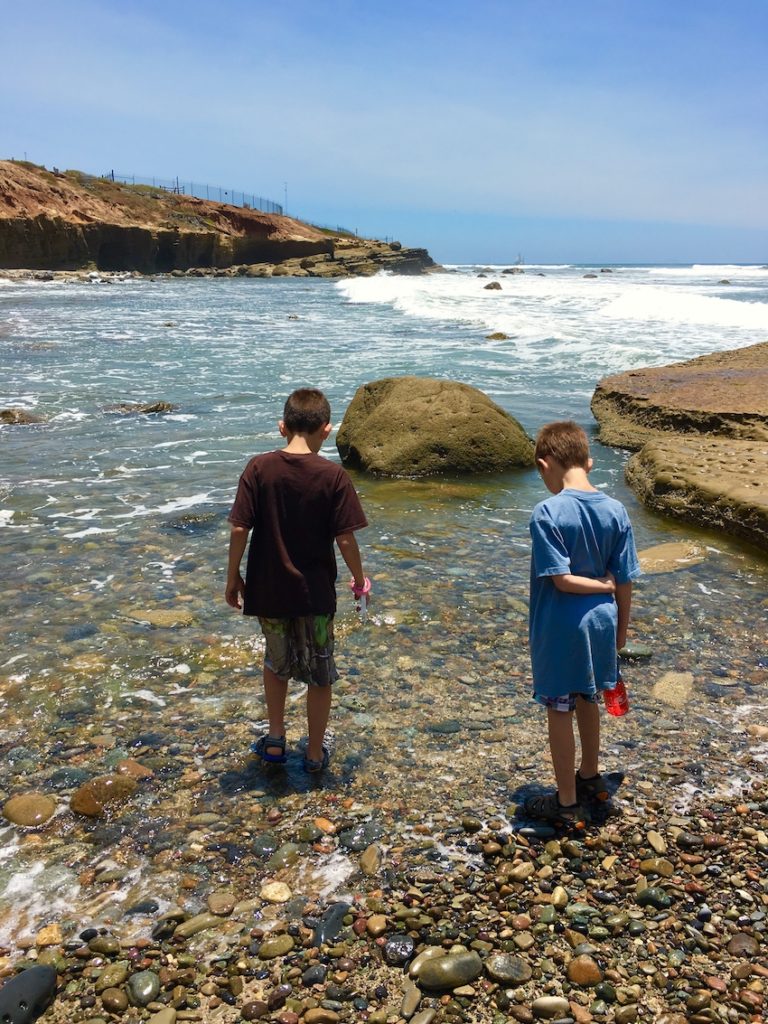
Cabrillo National Monument is named after Juan Rodríguez Cabrillo, the first European to set foot on the West Coast in 1542. It is minutes away from downtown San Diego, and it offers families history, geography, and science lessons.
During our visit, we walked through exhibits on the early explorers, a big hit with my boys. And learned about the importance of pollinators, a must for butterfly lovers.
Cabrillo features the Old Loma Lighthouse (1855-1891) and tide pools, a kid’s favorite. Seasonal gray whale watching offers families a chance to see the marine giants during migration.
Where’s Cabrillo
Cabrillo National Monument is 10 miles from Downtown San Diego and 130 miles from Los Angeles. Since food service isn’t available, bring a lunch and make a day of it.
Check out the low tide schedules and arrive early for limited parking. Cabrillo National Monument is a day-use-only park; admission is $20 per vehicle for a 7-day pass.
Top Things to Do in San Diego
Channel Islands National Park
Five lonely islands float on the horizon off the coast of Southern California. However, over 2,000 species of plants and animals call them home. And 145 of those can only be found in the Channel Islands National Park.
The five distinct islands offer refuge to animals and plants. Families prepared to hike can discover beaches or canyons. Snorkeling, kayaking and swimming are popular too.
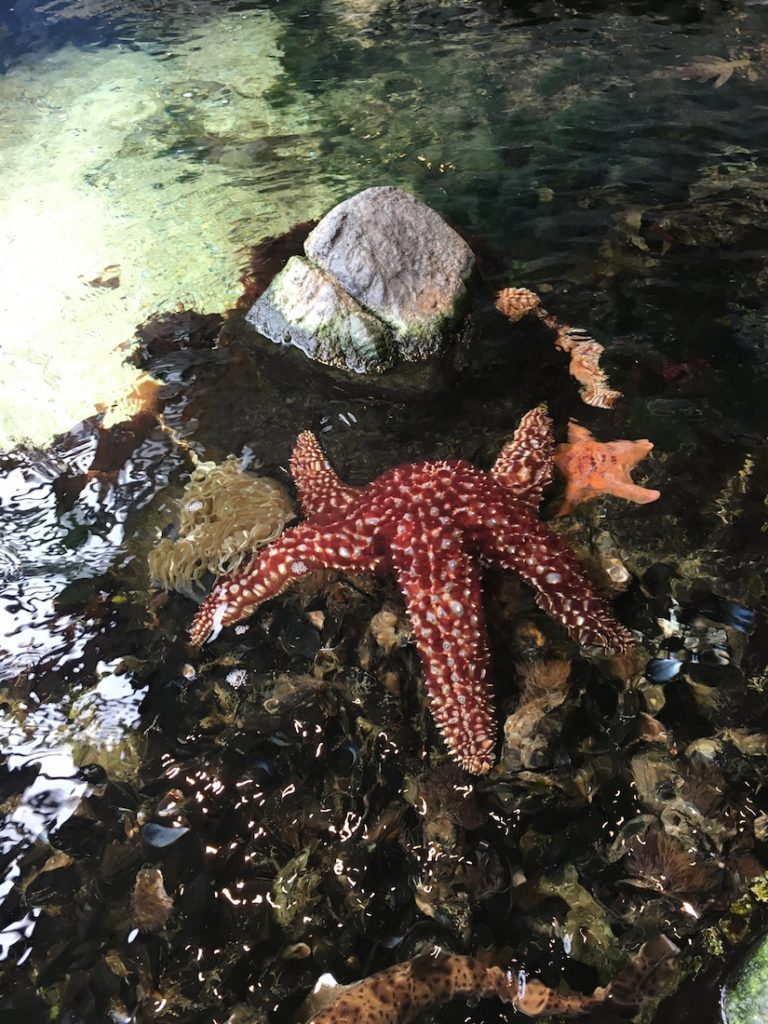
The Channel Islands Visitor Center is located in Ventura, 66 miles north of Los Angeles. It offers an interpretive area with a tide pool touch tank for the kids, so it’s an opportunity to learn about the Channel Islands without visiting them.
Channel Islands National Park remains open 24 hours a day, 365 days a year. The Channel Islands are free. A National Park concessionaire provides ferry service to several of the Channel Islands. Reservations and tickets are required in advance.
The Channel Islands offer no services for visitors, like food or water. Rustic camping is available on all islands. Reservations for boat passage and campground reservations are required.
Devils Postpile National Monument
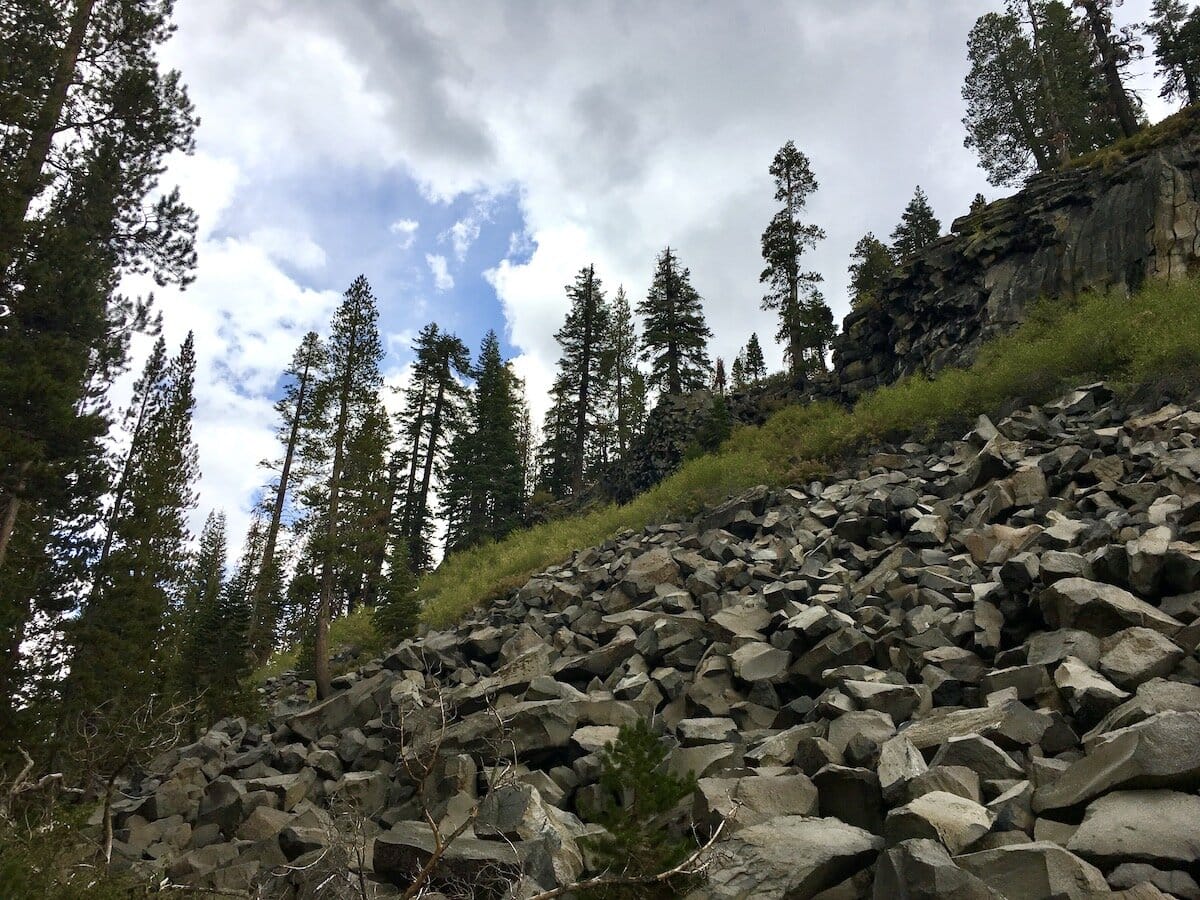
So check out this national monument for rock formations that look like logs. Then find some of the best examples of columnar basalt in the world. Along with geology, hike to a couple of waterfalls over a hundred feet tall.
Finally, hike to Minaret Falls or Rainbow Falls to see the waterfalls up close.
Find the Devils Post Pile in the western Sierra Mountains, a couple of miles from Mammoth Lakes. Open seasonally from mid-June through mid-October, depending on snow. Open 24 hours a day and free to enter, though a mandatory shuttle bus requires a ticket.
Manzanar National Historic Site
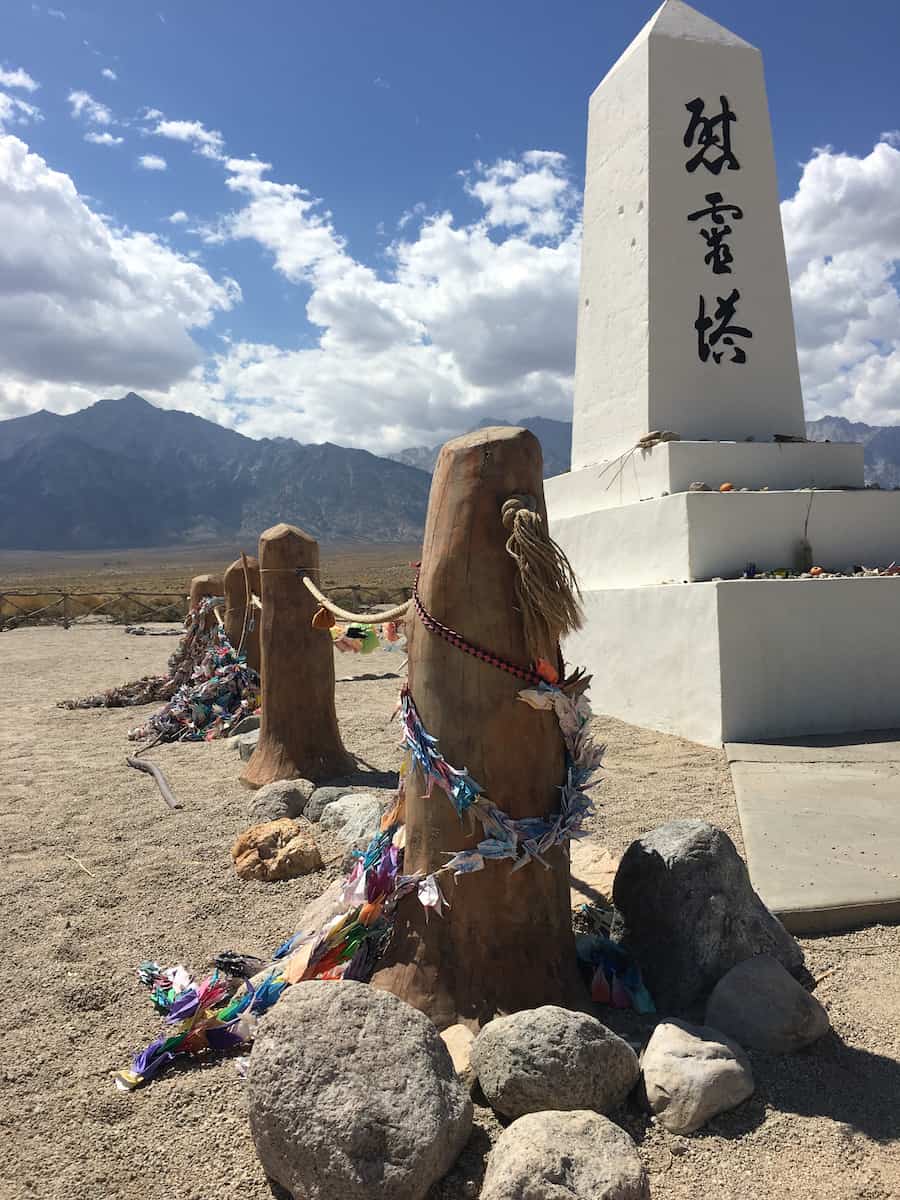
At the height of WWII, over 100,000 people, including children of Japanese descent, had to leave their homes and jobs. Ordered by the U.S. government in response to the Pearl Harbor Attacks, U.S. citizens and Japanese immigrants were relocated to military-style camps across the western U.S.
One of the biggest camps is located near the western entrance of Death Valley National Park. You can walk through what remains of the camp, including a driving route.
Find the Manzanar National Historic Site at 5001 Highway 395 in Independence, north of the Death Valley entrance. It can be explored in a couple of hours. It is free to visit and open from sunrise to sunset.
Castle Mountains National Monument
In the Eastern Mojave Desert, Castle Mountains National Monument includes 21,000 acres of desert grasslands and Joshua Trees in a remote location. Visitors can hike or backcountry camp.
To reach the Castle Mountains National Monument, take Walking Box Ranch Road off of Nevada State Rd 164 (Nipton Road). It is open 24-hours a day, 365 days a year. It is free to enter.
Cesar E. Chavez National Monument
This 116-acre property was the home of the home to César Chávez from the early 1970s until his death in 1993. This site honors Chavez and the farm worker movement. He was one of the most important labor leaders in U.S. History.
The property was a tuberculosis sanitarium in the early 1900s. The United Farm Workers (UFW) acquired the site in the early 1970s and used it as their headquarters.
Visitors should head to the Memorial Garden. Chávez and his wife’s (Helen Fabela Chavez) gravesites are located there. Also, find A nearby fountain honors the five martyrs of the movement.
Located at 29700 Woodford-Tehachapi Rd, Keene, CA., about 32 miles away from Bakersfield. Open daily from 10 a.m. to 4 p.m. This site is free to enter.

Comments are closed.