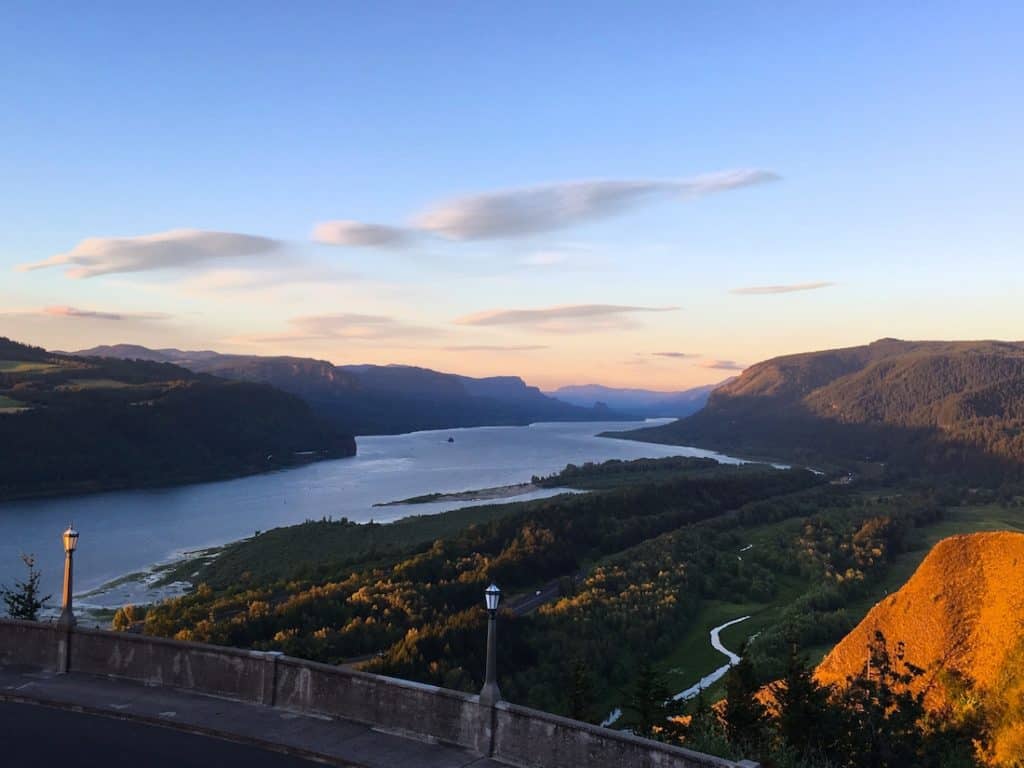
In the early 1800s, President Theodore Roosevelt dispatched a pair of explorers to chart the newly acquired land from the Louisiana Purchase. Explorers Lewis and Clark set out with a band of men to paddle waterways in canoes to reach the Pacific Ocean. Oregon offers several top places to learn about their journey. Lewis and Clark’s route would later be used by the emigrants settling the West. Here are the top sites to learn about the Lewis and Clark Oregon Trail.
Top 7 Places to Explore on the Lewis and Clark Oregon Trail
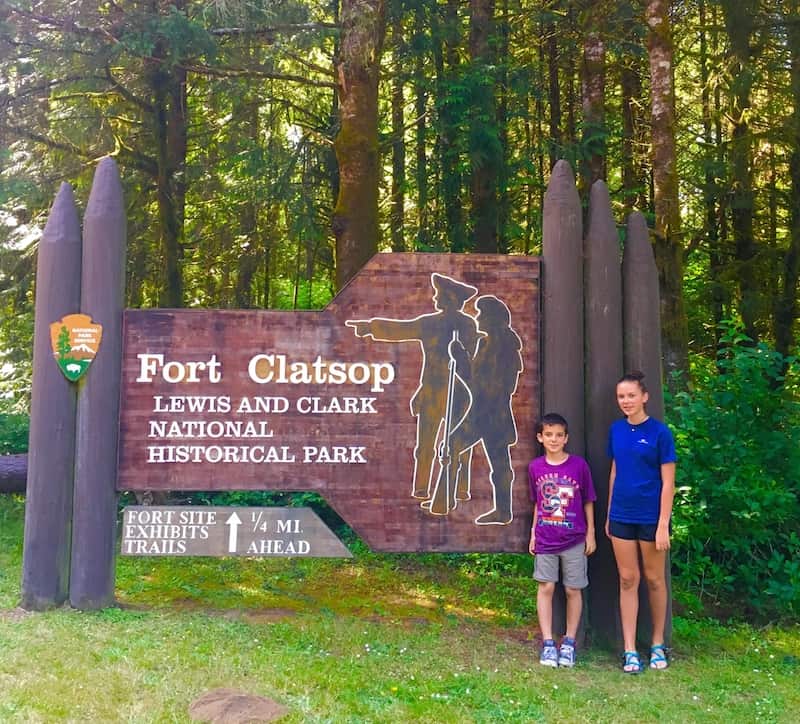
Lewis and Clark National Historical Park
Fort Clatsop
Netul Landing
Salt Works
Fort Stevens State Park
Lewis and Clark National Historical Trail
Ecola State Park
Who are Lewis and Clark?
President Thomas Jefferson dispatched Merriweather Lewis and William Clark, both in their early 30s, to discover a water passage to the Pacific Ocean in the early 1800s. The famous explorers charted the western U.S. after the Louisiana Purchase.
Starting in 1804, Lewis and Clark, along with the other men of the Corps of Discovery, set out from St. Louis, Missouri, headed west to the Pacific Ocean. In November 1805, the Lewis and Clark Expedition, plus Sacagawea and her baby, finally reached the Pacific Ocean across uncharted territory.
Needing a place to spend the winter, they built Fort Clatsop at the mouth of the Columbia River. For three months, the Corps of Discovery sewed moccasins, hunted and made salt in preparation for the trip back. In March 1806, they left for the return trip to St. Louis.
The National Parks of Oregon
Lewis and Clark National Historical Park
As one of the top Lewis and Clark sites in Oregon, Lewis and Clark National Historical Park at Fort Clatsop was first on our list to visit. Near the mouth of the Columbia River, this was the terminating spot for the expedition; they overwintered there before returning.
With an introductory movie and an interpretive area, my kids got the basic history of the expedition, although they were already familiar with it. The Lewis and Clark National Historical Park includes several sites in the area, though this spot offers the most to see and do.
Top Things to Do at the Lewis and Clark National Historical Park
The Lewis and Clark National Historical Park offers several activities for visitors. From hiking to wildlife viewing to touring Fort Clasop, this site offers many outdoor activities.
Hiking
The Lewis and Clark National Historical Park offers 14.5 miles of developed trails from the Clay Pit Trail to the Fort to Sea Trail. Visitors can hike on the trails to the beach and to the creek.
Fort-to-Sea Trail offers a 6.5-mile path from Fort Clatsop to the Pacific Ocean. It retraces the route that the Corps of Discovery took from Fort Clatsop to the ocean and to Netul Landing along the river.
Wildlife Viewing
National Park sites protect the animals within its boundaries. Wildlife spotting is a top activity at Lewis and Clark National Historical Park.
Visitors can find Douglas squirrels and banana slugs relatively easily. However, it is also home to eagles and osprey, along with migrating ducks. In total, there are 44 different types of mammals, 75 bird species, along with others.
Top Sites to See on an Oregon Road Trip
Explore Fort Clatsop
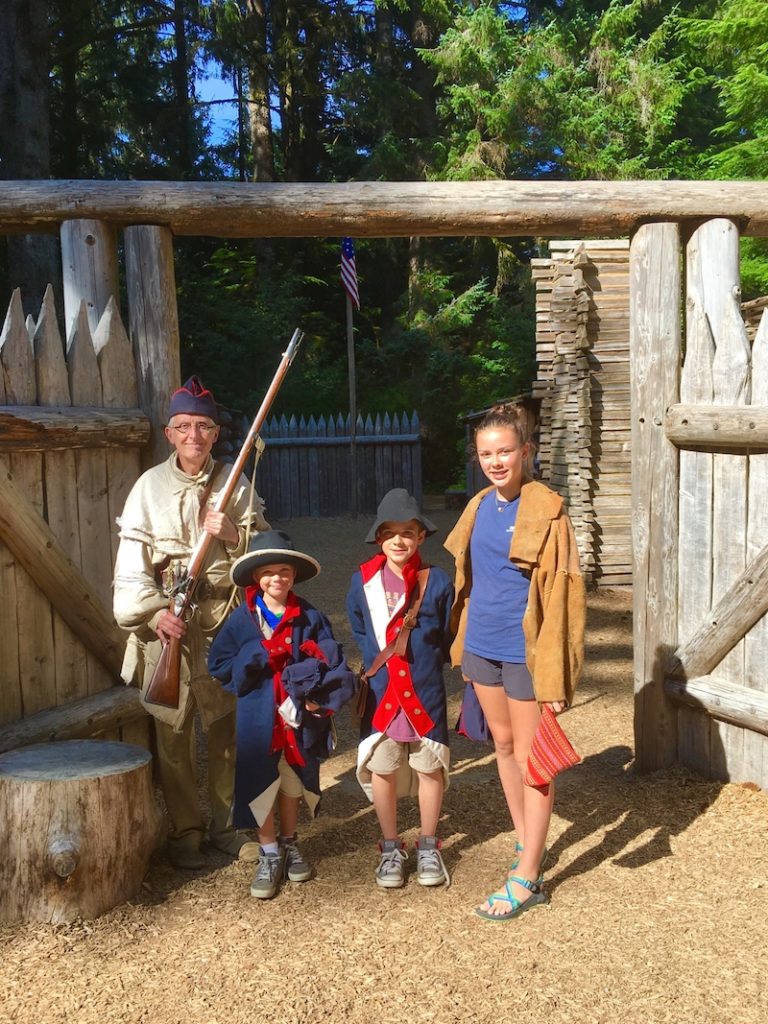
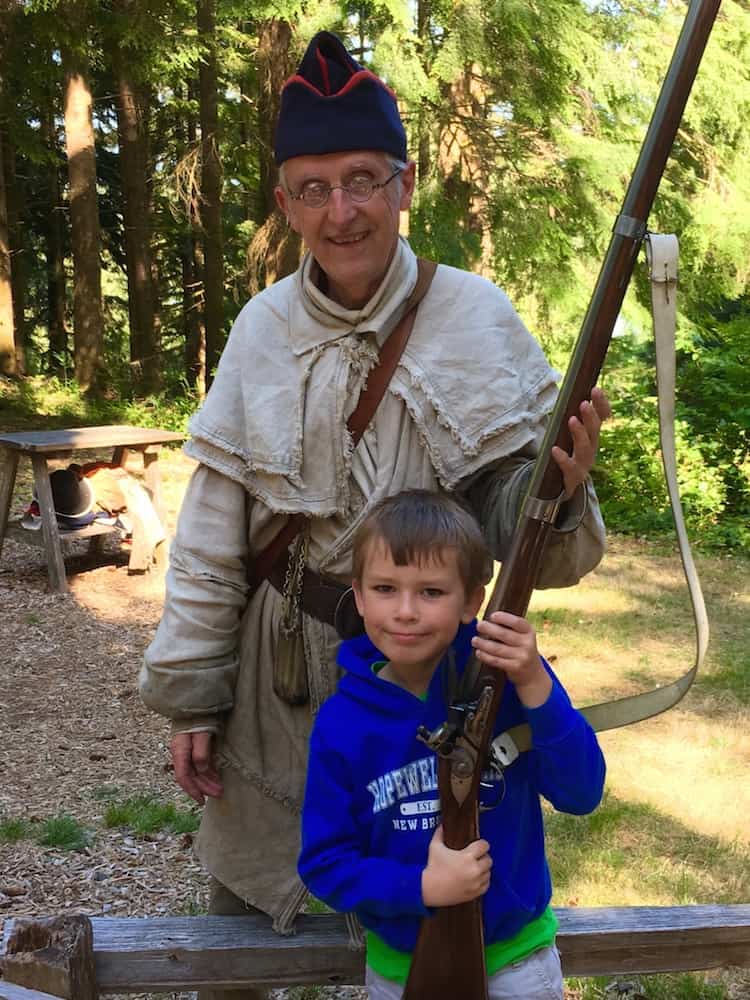
One of the highlights of the Lewis and Clark National Historical Park is the living history demonstrations during the summer. From June until Labor Day, history comes alive with costumed interpreters in the replica Fort Clatsop.
Fort Clatsop is the site where the Corps of Discovery hunkered down and spent the winter from December 1805 to March 1806. During this time, they hunted game, harvested salt (for preserving meat) and tanned leather. The men also worked on their maps and journals, used to document their journey.
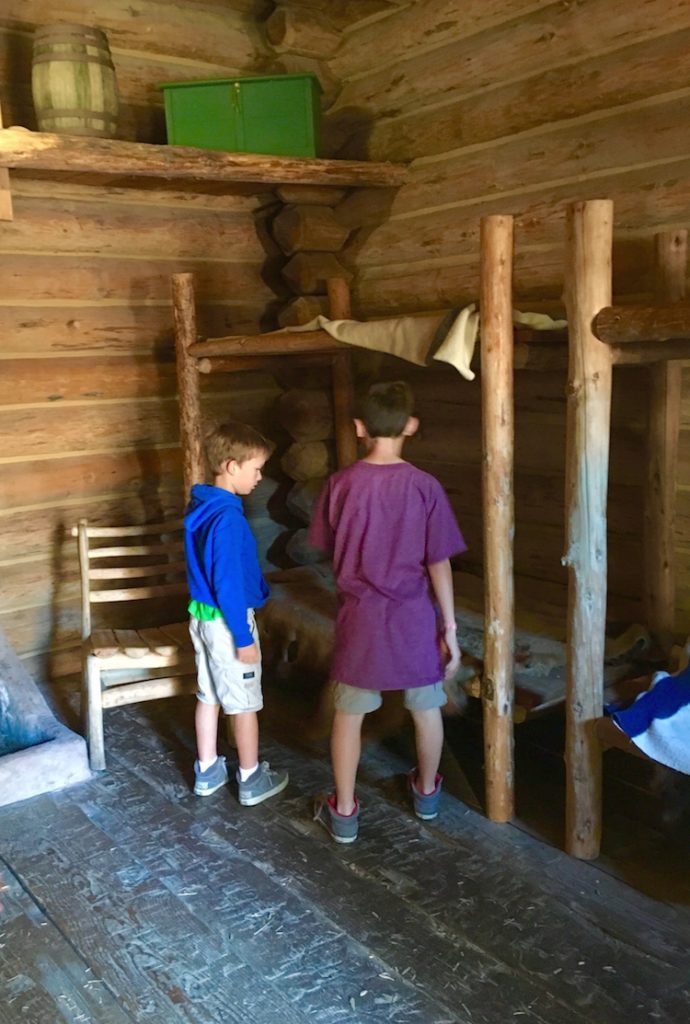
During our trip, we hiked to the replica of the wooden Fort Clatsop for one of its daily programs. We explored the fort to see how the Corps of Discovery lived, learned about fur trading and the woolen Hudson Bay blankets used in trading.
My boys were very interested in exploring the fort, including the blankets and bunk beds. During the day, the fort displayed tools of the era.
Then, to my boys’ delight, our costumed ranger loaded up an antique musket. With a blast of fire and a boom that rumbled through the forest, the ranger fired off the rifle. My boys wanted to enlist as explorers on the spot, but instead, we explored more Lewis and Clark sites.
Best of the Columbia River Gorge in Oregon
Kids and Pets at the Lewis and Clark National Historical Park
Traveling with your kids or pets is part of the fun. Lewis and Clark National Historical Park makes a great trip with lots of activities and things to see.
There are special activities for kids. As for pets, Mount Rainier is a haven for wildlife, so care must be taken when traveling with your pets in the park.
Junior Ranger Program
The Junior Ranger Program is the go-to program for families to learn more about Redwood National Park. It’s free and takes about two hours to complete. My kids love the badges that the park rangers present to them after completing their booklets.
Lewis and Clark Trail Junior Ranger program is available at more than 30 locations along the 4,900-mile Lewis and Clark National Historic Trail.
BARK Program
Lewis and Clark National Historical Park welcomes pets as long as they practice the principles of the BARK program. For more information, visit its page for visiting with pets.
B–Bag waste and dispose of it in the trash
A–Always leash your dog for their safety and others
R–Respect wildlife
K–Know where you can go
Netul Landing and Paddling the Netul River
The place where the Corps of Discovery pulled ashore. A trail from the visitor center is available, and kayaking is popular along the Netul River.
During the summer, Park Rangers guide groups through the tidal waters of the Lewis and Clark River. This tour lasts three hours and requires a reservation in addition to park admission. For more information, visit its webpage.
Where’s the Lewis and Clark National Historical Park
Located at 92343 Fort Clatsop Rd. Astoria. The visitor center is open from 9 a.m. to 5 p.m. year-round, and 6 p.m. during the summer. It is $10 per person for a seven-day pass, and kids 15 and younger enter for free. Visitors can use an America the Beautiful Annual Pass or other NPS Pass. This NPS site is cashless.
Caves Tour Guide to the Oregon Caves National Monument
Other Lewis and Clark Sites in the Area
Located in the forest, Fort Clatsop offered protection during the winter. It was also near a river, now named the he Lewis and Clark River. However, supplies were dwindling.
Salt Works
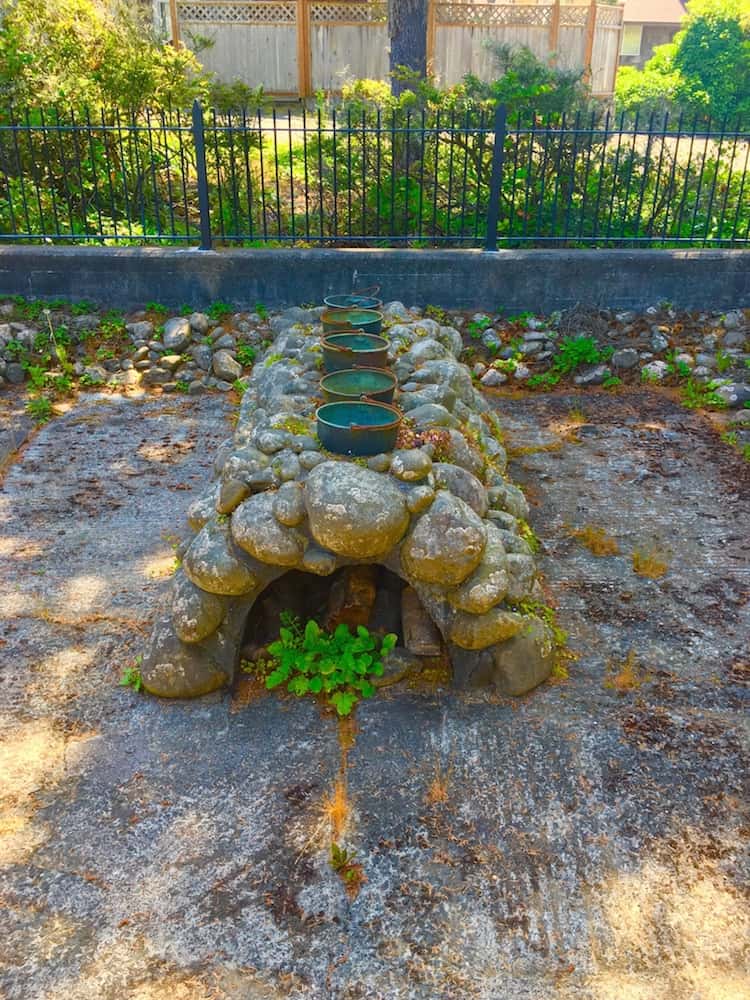
The Corps of Discovery had run out of salt and needed to make more for their survival. Shortly after arriving, a group of men found a suitable site about 15 miles away from Fort Clasop on the Pacific Ocean, to produce salt.
After a wood-fired oven was made, the men harvested ocean water. The water was boiled over the wood fire for 24 hours to evaporate the water, leaving salt.
The Salt Works area is located at US Highway 101 and Avenue G. Take the exit for Beach Drive, then turn left onto Lewis and Clark Way. It is a small fenced area and lacks dedicated parking. Free to visit and best viewed from dawn to dusk.
Fort Stevens State Park
Fort Stevens State Park is a 4,300-acre park with a military fort and ship wreck along with recreational activities. It features hiking and camping along with cabins.
Originally built in the 1860s, this fort protected the mouth of the Columbia River. Located at Point Adams, it was used until WWII. It was made into a state park in the 1970s.
Those who are interested can explore the site’s artillery gun batteries. My kids enjoyed running through them.
Fort Stevens State Park offers 15 miles of hiking trails and access to Coffenbury Lake, a freshwater lake. The site offers camping, including cabins and yurts along with a dump station, a playground and a bathhouse.
The shipwreck, Peter Iredale, is located on the beach and makes an interesting photo op. There is a parking area close to the site.
Located at 1675 Peter Iredale Rd. Hammond. Parking fee $5.
Lewis and Clark National Historical Trail
As a 4,900-mile-long trail that spans 16 states, the Lewis and Clark National Historical Trail retraces the route of the Corps of Discovery. Starting in Pittsburgh, Pennsylvania, it continues through Omaha, Nebraska, and along the Columbia River to Astoria, retracing the explorers’ route.
Along with sites in Oregon, the Lewis and Clark National Historic Trail includes sites dedicated to Lewis and Clark in Missouri, Kansas, Iowa, Nebraska, North Dakota, South Dakota, Montana, Idaho and Washington.
Ecola State Park
Once inhabited by several groups of Tillamonk people along the Columbia River. This park offers 9 miles of shoreline.
Ecola State Park includes a 2.5-mile section of the Clatsop Loop Trail. The trail over Tillamook Head follows in the footsteps of the Corps of Discovery. Captain William Clark and 12 members of the Corps of Discovery traveled through the area in 1806 in search of food.
Located at Cannon Beach. It is a day-use park and open from 6 a.m. to 10 p.m. Parking fee $5. Hiking and picnic tables available.
Columbia Gorge Discovery Center
Located along the Columbia River, the Columbia Gorge Discovery Center offers interpretive exhibits about the Lewis and Clark Expedition. It also discusses the pioneers and emigrants seeking fortune along the Oregon Trail.
Located at 5000 Discovery Drive in Dallas. Temporarily closed due to wildfire damage.
Top Things to Do in Bend Oregon
Washington
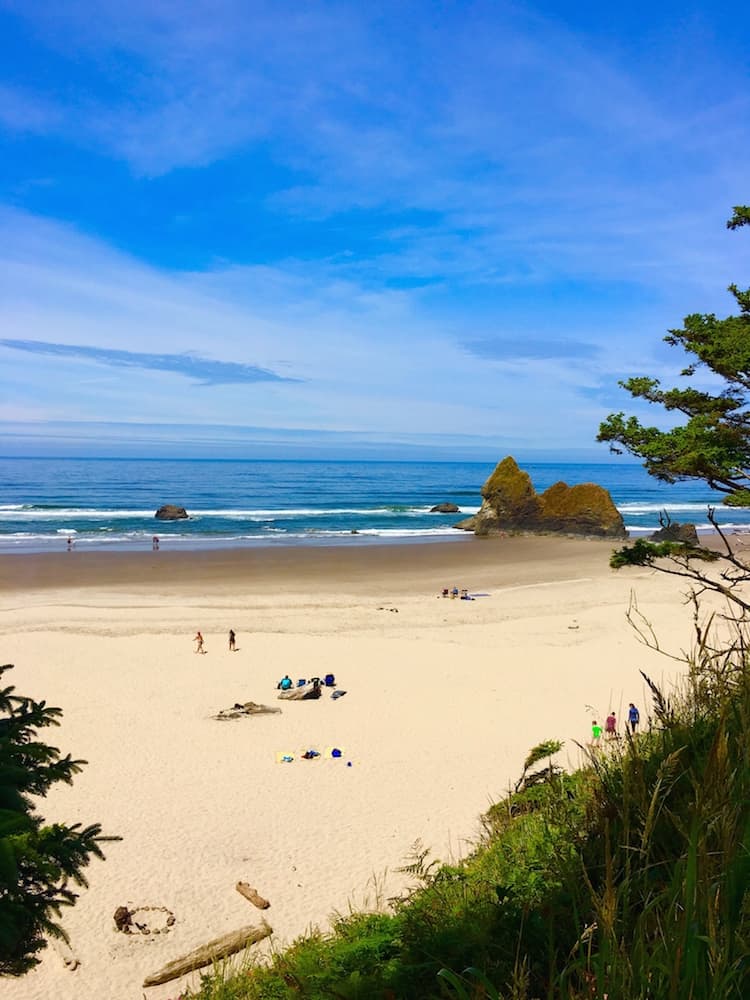
Cape Disappointment State Park— one of the main visitor centers and offers a full-service state park.
Fort Columbia State Park—home to the Chinook Indians and the coastal defense fort.
Dismal Notch—a landing spot for the Corps of Discovery along the Columbia River.
Know Before You Go:
Be prepared for rain at any time.
Limited food service at the park sites so pack a picnic.

Comments are closed.